Eby Wants a Trump Election. B.C.’s Own Ledger Is on the Ballot.
The U.S. trade fight is real. So are the provincial choices that left B.C. exposed before the writs were issued.
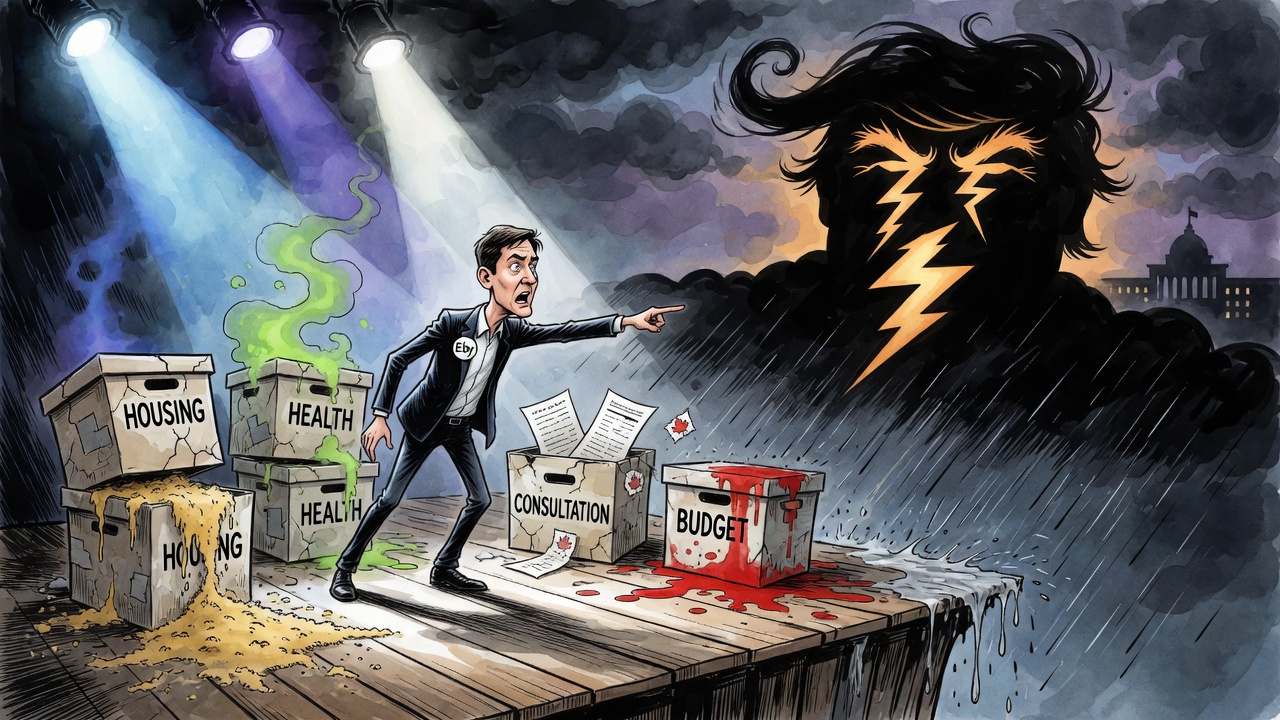
Premier David Eby opened the snap campaign by putting Donald Trump at the centre of the frame. Bloomberg, carried by EnergyConnects on September 23, reported Eby called the early election while arguing B.C. needs a fresh mandate because of the worsening Canada-U.S. trade fight.
That threat is not imaginary. Bloomberg reported that forestry is the B.C. industry most exposed to the dispute, that B.C.’s forestry sector is Canada’s largest, and that new U.S. levies in August hit additional wood products. Aluminum fabricators and liquor exporters are also under pressure.
But the existence of an outside threat does not absolve an incumbent government from the condition of the province it is asking to keep governing. The accountability question is not whether Trump is bad for Canada. The question is whether Eby’s NDP made British Columbia stronger, clearer and more competitive before that pressure arrived.
On Bloomberg’s own telling, the record is mixed at best. The story notes that Eby warned in 2022 against new fossil-fuel infrastructure, but has since championed shipping more natural gas to Asia and has not fought Alberta’s new crude-pipeline push the way he challenged an earlier pipeline plan. That is not a settled resource strategy. It is a government trying to campaign as both climate brand and export-growth manager.
The same report points to another unresolved provincial file: Indigenous consultation and resource development. Bloomberg says Eby could not reach agreement within his own party on reforming consultation rights, describing the issue as a major uncertainty for land and resource development in a province with more than 200 First Nations. That uncertainty was not created in Washington. It sits squarely in Victoria’s inbox.
Then there is the fiscal ledger. Bloomberg reported that provincial debt and deficits have grown sharply enough to contribute to a series of bond-rating downgrades. Voters do not need to accept every opposition slogan to ask a basic question: if the NDP needs a crisis mandate, why did it enter the crisis with finances moving in the wrong direction?
The public mood makes that question harder for the government to dodge. Liaison Strategies’ September 23 tracker put the NDP ahead of the BC Conservatives, 41 per cent to 36 per cent among decided and leaning voters. But the same release said half of British Columbians believe the province is heading in the wrong direction, while only 36 per cent say it is on the right track.
That is the opening-day contradiction. Eby has a lead. He also has a governing record. Elections BC says voters will choose 93 MLAs on October 24. They are entitled to judge the premier on more than his chosen villain.
Trump can be a problem for B.C. workers and businesses. So can provincial indecision on forestry competitiveness, resource approvals, consultation rules and public finances. A serious election should test both.