Tilbury LNG Shows the NDP’s Climate Brand Has a Receipt
B.C. has approved FortisBC’s Tilbury Phase 2 LNG expansion. The government can count the jobs. Now it should own the contradiction in its resource-politics message.
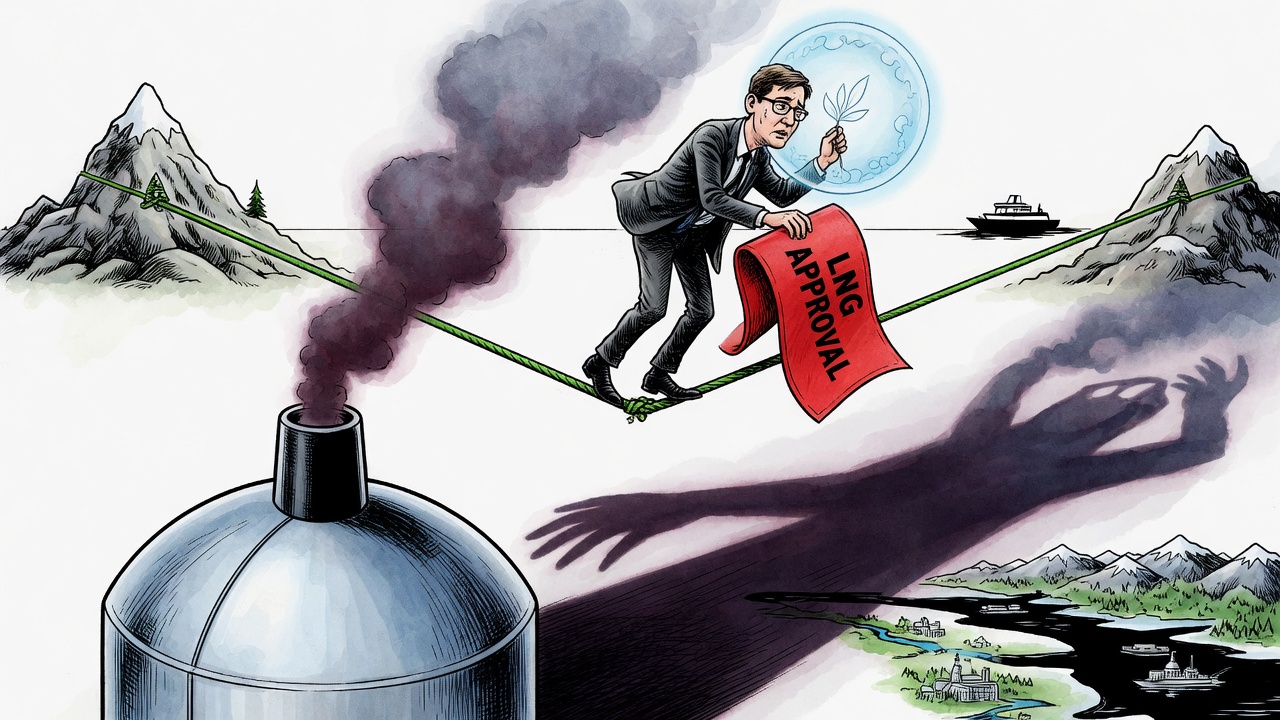
On September 21, B.C. issued an environmental assessment certificate to FortisBC for the Tilbury Phase 2 LNG expansion on Tilbury Island in Delta. The certificate lets the project move toward permitting after a provincial assessment process that began in 2020 and was revised with a FortisBC application in 2026.
The government’s release says Environment Minister Tamara Davidson and Energy Minister Adrian Dix made the decision after considering the Environmental Assessment Office report, recommendations, First Nations input, technical experts and public input. It also says the certificate carries 18 legally binding conditions dealing with air quality, wildlife protection, greenhouse-gas reduction, health and emergency planning, and monitoring of impacts to First Nations.
Those conditions matter. So does the economic ledger the government chose to highlight. B.C. says FortisBC estimates the project could generate up to 6,200 full-time-equivalent person-years of construction employment, about 100 permanent operational jobs, and as much as $1.7 billion in provincial GDP during construction.
Ottawa reached the same general destination. The federal Impact Assessment Agency said a decision statement had been issued under the substituted “one project, one review” process. Canadian Press reporting summarized the federal position bluntly: potential adverse effects under federal jurisdiction were judged justified by the project’s benefits.
That is the accountability problem for David Eby’s NDP. The government cannot treat LNG as dirty politics when someone else proposes infrastructure, then present LNG as responsible economic development when its own cabinet signs the certificate. If LNG is acceptable with enforceable conditions, B.C. deserves a consistent standard for projects, permits, jobs and emissions. If it is not, the government should say why Tilbury is different.
There is also a local credibility issue. Canadian Press reported that Emergency Management and Climate Readiness Minister Kelly Greene had publicly opposed FortisBC moving ahead with the plan in July, citing safety concerns from people in her community. Eby defended that disagreement as part of a “big tent.” But after the certificate decision, residents still deserve plain answers about emergency planning, cumulative risk on the Fraser, and how the 18 conditions will be enforced over time.
The NDP will point to jobs, cleaner marine fuel, energy security and reconciliation language. Fine — then put the trade-offs in writing and measure them publicly. British Columbians do not need another slogan war between climate branding and resource reality. They need a government that applies one rulebook, publishes the enforcement record, and stops pretending the contradiction disappears when the certificate has an orange stamp.
Sources and records
- BC Gov: Environmental assessment certificate issued for Tilbury Phase 2 LNG expansion (September 21, 2026)
- BC Gov: Tilbury Phase 2 LNG expansion information bulletin (September 21, 2026)
- Impact Assessment Agency of Canada: Major milestone completed (September 21, 2026)
- Journal of Commerce / Canadian Press: Province, feds advance Tilbury Phase 2 LNG expansion