Eby Called the Snap Election Anyway. Local Ballots Now Pay the Price.
The premier chose an October 24 provincial vote, one week after municipal election day, despite direct warnings from local leaders about overlapping campaigns.
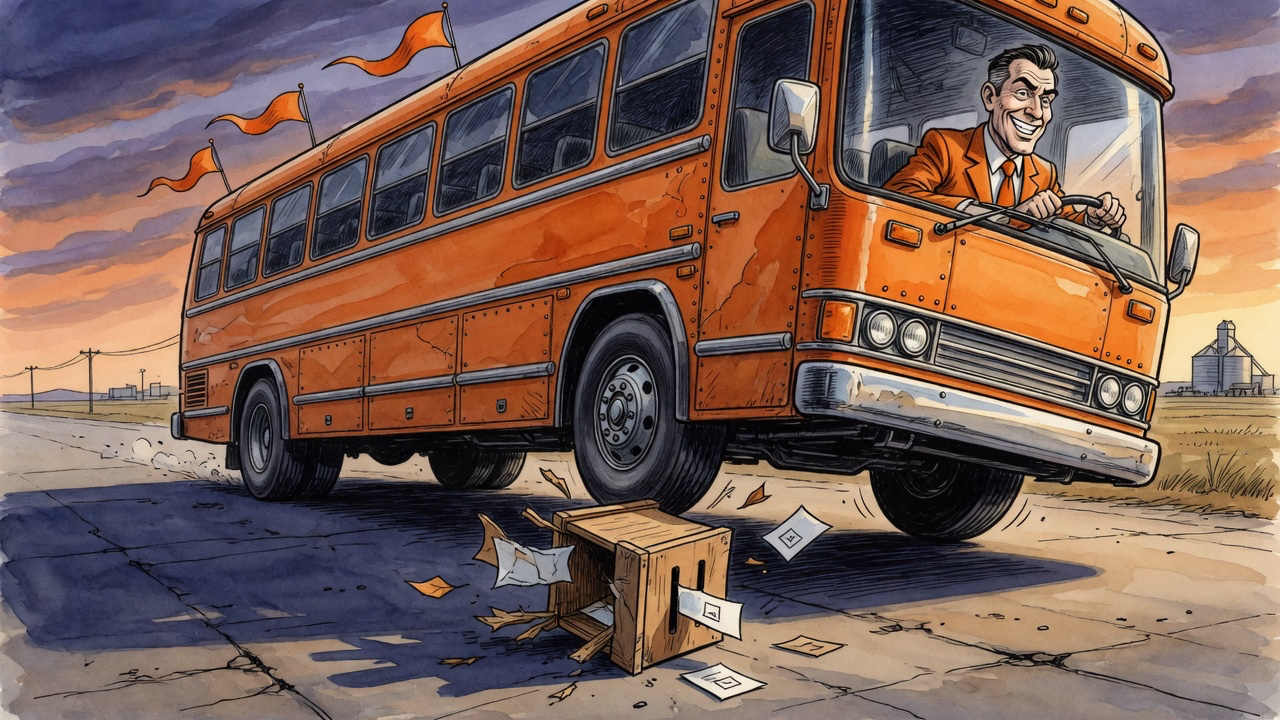
Premier David Eby has called the election local leaders asked him not to call now. The timing is the story: a provincial campaign will run straight through the final stretch of B.C.’s municipal races, then send voters back to the polls one week after they choose mayors, councillors, school trustees and other local representatives.
The NDP has a majority government. Eby’s stated case, reported by Global News, is that British Columbians should choose a direction during what he framed as an urgent moment shaped by U.S. trade pressure and Donald Trump’s threats to Canadian workers, businesses and sovereignty. Voters can judge that argument on the ballot.
But necessity is exactly what the government has to prove when it chooses an early vote. Global also reported that Eby’s government had made a flurry of recent announcements, including a pause on the provincial sales tax expansion and a commitment to build new BC Ferries vessels in B.C. That is not improper by itself. It is, however, the context for a premier asking for a fresh mandate just two years into one he already holds.
The local-democracy warning was specific. On September 21, Vancouver Mayor Ken Sim urged the province not to call an early election until after municipal voting on October 17, saying residents’ full attention should remain on local campaigns. Canadian Press reporting through Global said Sim’s position aligned with the Union of B.C. Municipalities, which had passed a motion asking the province to preserve the integrity of local elections by avoiding overlapping campaigns.
A September 18 Canadian Press report put the democratic cost in practical terms: a provincial vote could overlap the municipal campaign period from September 19 to October 17, while UBCM president Cori Ramsay warned that would be a disservice to citizens choosing among roughly 3,500 local candidates. Those candidates do not have the premier’s microphone, cabinet announcement machinery, or provincewide media gravity.
That is why this decision deserves scrutiny beyond partisan spin. Municipal campaigns are where voters assess policing, zoning, taxes, infrastructure, parks, schools and street-level services. Overlapping them with a provincial campaign makes it harder for local candidates to be heard and easier for provincewide war rooms to dominate the public square.
Eby may believe the political moment favours him. He may believe opposition turmoil gives the NDP an opening. What he cannot credibly claim is that nobody warned him about the collision. Local leaders warned him. UBCM warned him. The calendar warned him. He called it anyway.
British Columbians now get two ballots in October. They should also demand one clear answer: if this election was urgent enough to crowd out local campaigns, what democratic necessity justified doing it before October 17?
Sources and records
- Global News: B.C. provincial election to be held in October: Eby (September 22, 2026)
- Canadian Press / Global News: Vancouver Mayor Ken Sim urges province against election amid municipal campaign (September 21, 2026)
- Canadian Press / Global News: Premier Eby will speak to local politicians amid snap election speculation (September 18, 2026)