Two High-Risk Offender Warnings in Two Days Is Not a Safety Plan
Surrey residents received back-to-back public-interest disclosures. The province owes the public more than conditions, monitoring and notices after the fact.
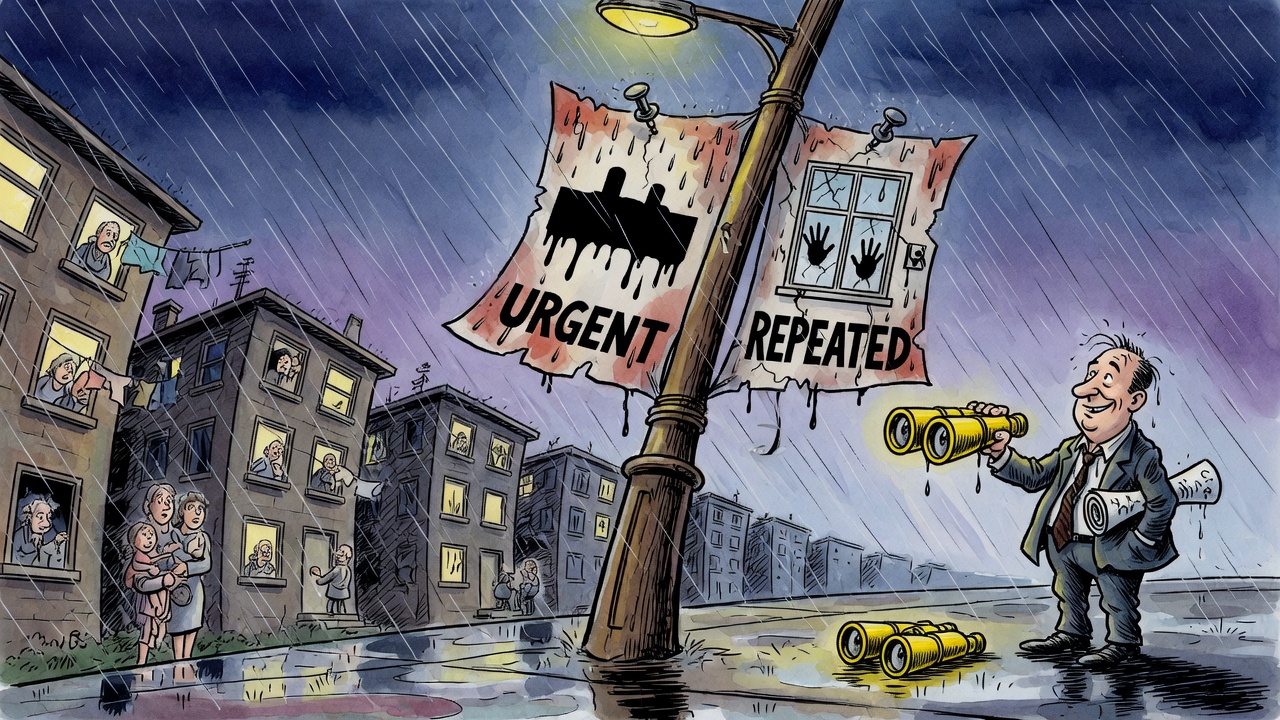
Surrey residents should not have to read the police website like an early-warning system for provincial failure. In two days, Surrey Police Service issued two separate public-interest disclosures about designated high-risk offenders expected to live in the city.
On September 14, police said Skylar Wayne Pelletier, described by SPS as a designated high-risk offender with a history of violent and sexual offences toward people, including offences toward females, would reside in Surrey. The disclosure said Pelletier is subject to court conditions including no contact with victims or victims’ families, no intoxicants, no weapons, a curfew and electronic monitoring.
On September 15, SPS issued a second disclosure. This one named Jonathon Anders Muzychka, described by police as a designated high-risk offender with a history of violence toward people and property crime. Police said Muzychka is also under conditions, including keeping the peace, remaining in B.C. unless permitted, no contact with victims or victims’ families, no alcohol or controlled substances, no weapons or knives, a curfew and electronic monitoring.
Those are serious labels and serious court conditions. They are also not proof that the public has been given a coherent answer. The key question is not whether police made a disclosure. The question is why the public-safety system keeps leaving communities with disclosures as the main visible tool.
CityNews reported the Pelletier warning on September 15. Global News later reported that Surrey Mayor Brenda Locke called it unacceptable that two high-risk offenders were being released into Surrey in two days and said the city was already carrying more than its share. That is a political claim from the mayor; the underlying fact is simpler and harder for the province to spin away: two notices landed in the same city on consecutive days.
The NDP government should not hide behind the existence of court orders. Conditions matter only if there is enough capacity to enforce them. Electronic monitoring matters only if breaches trigger fast consequences. Victim notification matters only if victims are supported before they learn risk has moved near them. Municipal consultation matters only if cities are told enough, early enough, to prepare responsibly.
Surrey does not need vigilante panic. It needs a standard. What provincial rule governs where multiple high-risk offenders are placed? How many people in Surrey are currently monitored under similar conditions? What staffing backs electronic monitoring after hours? What support is offered to victims and families? When a city receives two disclosures in two days, who at the provincial level explains the decision?
Public-interest warnings are necessary when risk is real. But if the public only sees the warning, not the plan, confidence collapses. David Eby’s government should answer with numbers, placement standards and enforcement capacity — not leave Surrey residents to connect the dots themselves.
Sources and records
- Surrey Police Service: High-risk offender to reside in Surrey — Skylar Wayne Pelletier
- Surrey Police Service: High-risk offender to reside in Surrey — Jonathon Anders Muzychka
- CityNews Vancouver: Surrey police issue high-risk offender warning
- Global News: Surrey mayor says high-risk offenders not welcome in city