Gurmoh’s Case Shows Why Rare-Disease Families Need a Pathway Before a Plea
B.C. announced a diagnosis-to-potential-therapy pathway after one Surrey child’s case exposed a system gap. The family deserves help — and every future family deserves clear rules before desperation becomes the process.
Start with the human truth: Gurmoh Gill and his family deserve every serious, ethical chance the health system can offer. A rare diagnosis is frightening enough without forcing parents to become navigators, fundraisers and public advocates just to find out whether a treatment path exists.
On September 19, B.C. announced that the Provincial Health Services Authority and BC Children’s Hospital will work with the University of British Columbia and McGill University’s Montreal Neurological Institute-Hospital to establish a pathway from diagnosis to potential therapy for people with rare genetic diseases. The same announcement says the partnership is motivated by Gurmoh’s case. He is a B.C. child living with hereditary spastic paraplegia type 4, described by the province as a rare neurodegenerative disease.
The government says researchers at The Neuro will work with B.C. partners to develop personalized gene-editing therapy for Gurmoh. That work includes therapeutic design, laboratory testing, safety and efficacy studies, regulatory review and preparation for clinical trials. Those words matter. They describe a potential therapy pathway, not a guaranteed cure, and families should never be sold certainty where science can only offer careful evaluation.
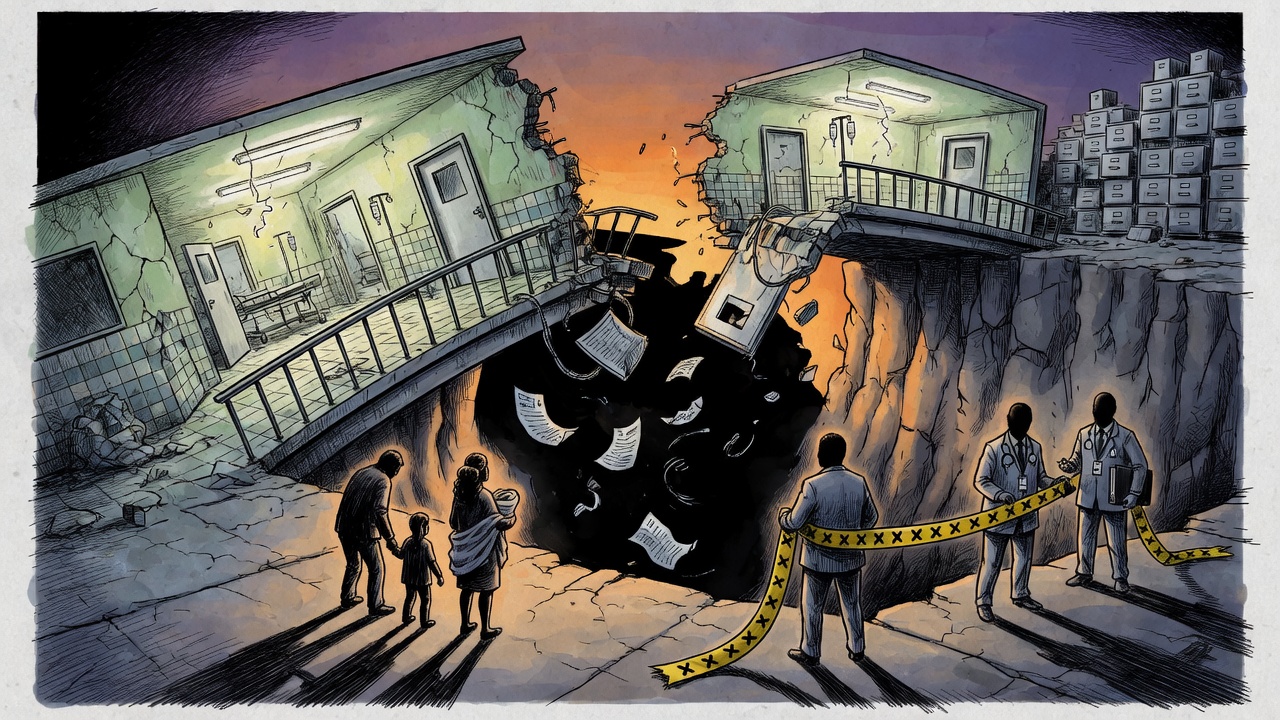
But the accountability question is unavoidable. The province’s own release says Gurmoh’s experience highlighted a challenge faced by rare-disease families: getting a diagnosis when no established treatment exists and not knowing where to turn next. It also says there has been no clear way for families to go from diagnosis to treatment, including determining whether treatment is possible, navigating research and regulatory processes, and accessing treatment.
That is not a communications problem. That is a system-design problem.
Global News has followed the Gill family’s effort to seek help and raise awareness around potential gene therapy, including their turn to Montreal researchers after learning about the rare diagnosis. The family’s advocacy appears to have moved mountains. The danger is that B.C. quietly turns an extraordinary family campaign into the unofficial access model.
Health Minister Ravi Kahlon can announce hope. Now he should announce rules. What is the timeline for this pathway? Who decides which rare-disease cases enter it? What clinical criteria, ethics review, appeal rights and public reporting will govern decisions? How will rural families, low-income families and families without media attention get the same chance to be assessed?
A fair health system cannot depend on who can raise money, attract cameras or survive months of uncertainty. If Gurmoh’s case creates a lasting pathway, that is good news. If it becomes another one-off announcement, the next family will be forced back to the same cliff edge.
B.C. should help Gurmoh. It should also make sure no rare-disease family has to beg in public before the bridge appears.