Surrey Memorial Gets Another Announcement Because B.C.’s Busiest ER Still Needs CT Capacity
The $33-million Surrey package is not proof the system is ahead of growth. Its own details show emergency and diagnostic capacity still chasing the backlog.
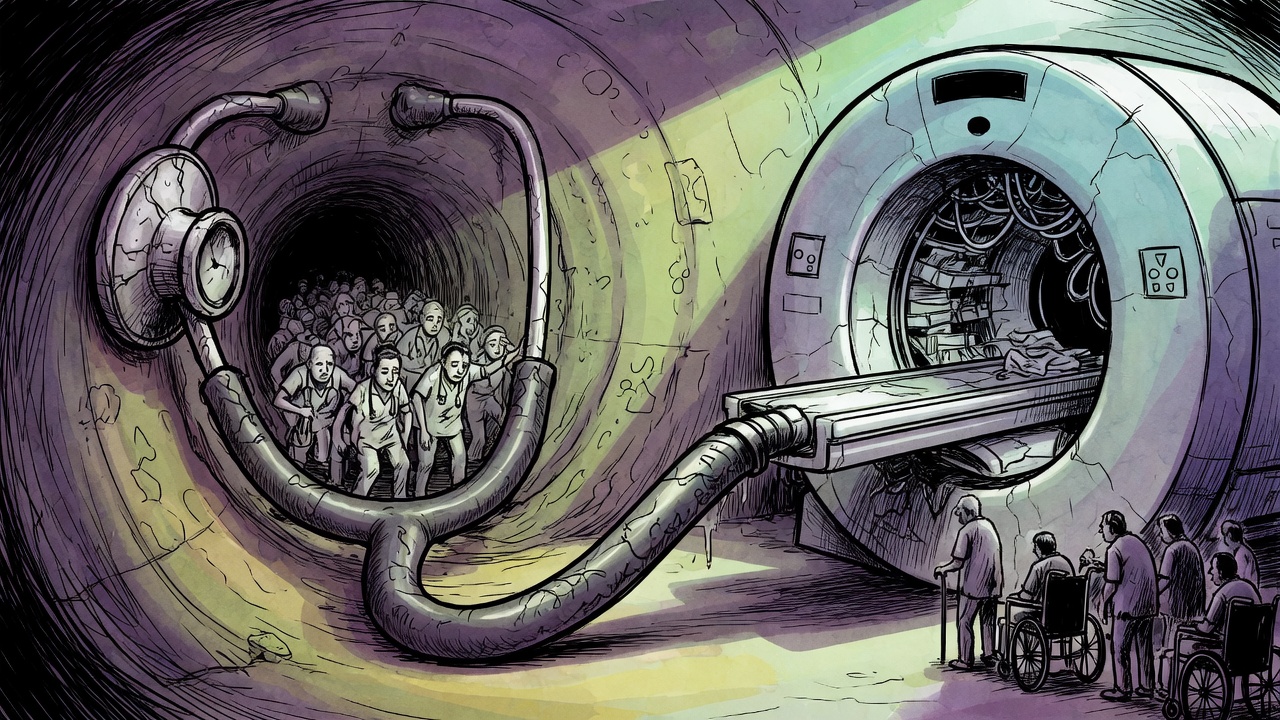
Surrey did not need another victory-lap headline. It needed proof that Victoria understands what rapid growth does to a hospital when capacity arrives late.
On September 18, the Province announced more than $33 million to improve emergency care and diagnostics at Surrey Memorial Hospital and expand community services for seniors. The release says Surrey Memorial has the busiest emergency department in B.C. It also says government will replace a 12-year-old CT scanner and add a second CT scanner to improve emergency, trauma, stroke and inpatient access.
That is the accountability line. If the busiest ER in the province still needs basic diagnostic redundancy, the issue is not whether this announcement is useful. It is why a city growing as quickly as Surrey had to wait for a package that reads like a catch-up plan.
The timelines matter. According to the Province, replacing the existing scanner could take as long as 10 months. Adding the second scanner will take approximately 18 months. The new front-door triage team is expected to be operational in January 2027, while construction on an emergency-department satellite centre is expected to begin in the next six months.
That means patients and staff are being told help is coming, but much of the capacity is still months away. For an emergency department already described by government as the busiest in B.C., “soon” is not the same thing as surge capacity today.
The government also says the satellite centre will handle less urgent, non-life-threatening conditions and operate as an extension of the emergency department, with lab and X-ray services. That may help flow. But it also confirms what Surrey families already know: too many people are being pushed toward hospital doors because the rest of the system has not kept pace.
This is not happening in isolation. Earlier this year, B.C. opened a South Surrey urgent and primary-care centre. The Province said that centre would provide urgent, episodic care and would help people register with the Health Connect Registry if they wanted attachment to a primary-care provider. It also said patients would not be attached to a primary-care provider at that UPCC.
Surrey keeps getting announcements that sound impressive until the fine print appears: urgent care without attachment, emergency triage arriving next year, a second CT scanner arriving on an 18-month horizon.
Ravi Kahlon and Bowinn Ma are right that Surrey needs health-care facilities and services that keep pace with the community. The test is whether their government can show the pace, not just describe the need. Publish the emergency wait, imaging wait, staffing and capital-delivery ledgers for Surrey Memorial every month. If the plan is finally catching up, let the numbers prove it.