Sharma Says DRIPA Progress Is Coming. The Date Is Still Missing.
Eby backed away from a spring fix. At UBCM, his Attorney General offered hope, consultation and no firm commitment that the promised fall clarity will actually arrive.
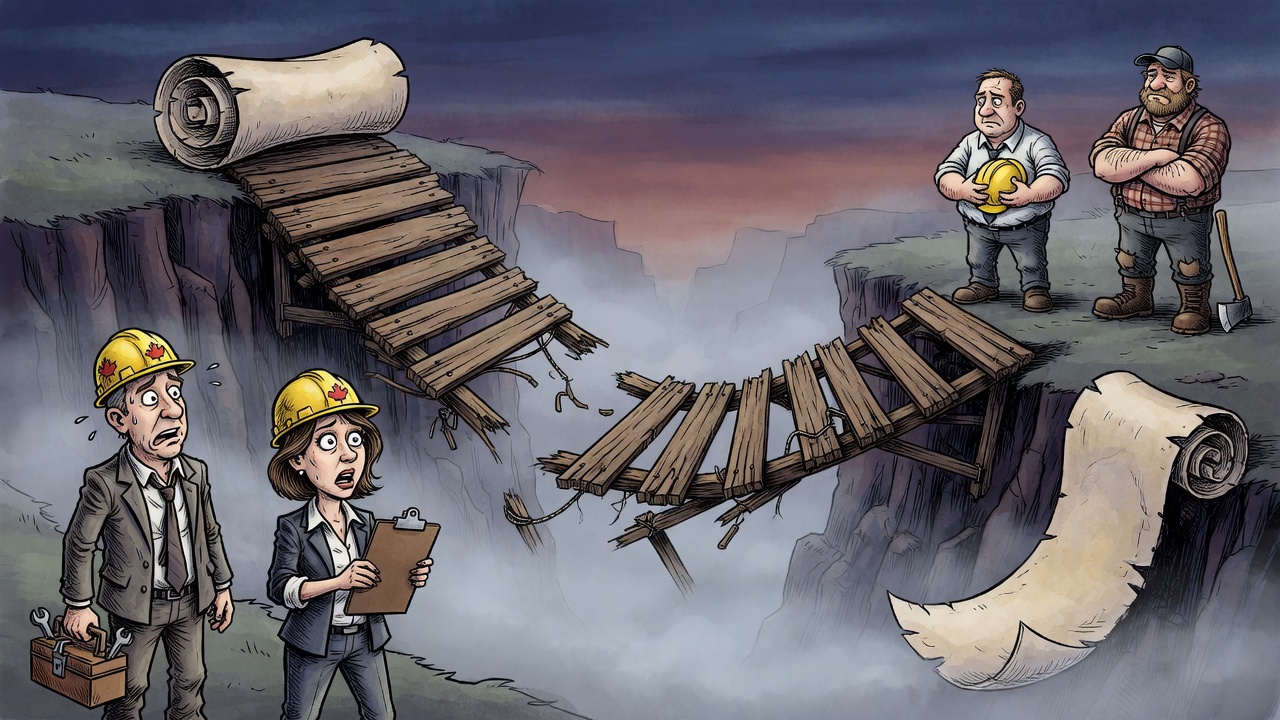
Attorney General Niki Sharma’s latest answer on DRIPA should worry anyone waiting for legal certainty in British Columbia: the government is “hopeful,” but still will not put a date on the repair job.
Black Press reported that Sharma spoke to reporters Tuesday at the Union of B.C. Municipalities convention in Vancouver after a summer of talks with First Nations leaders. She said the government had been contacting leaders, receiving ideas and making “really good progress.” Then came the key omission: she would not commit to amending the Declaration on the Rights of Indigenous Peoples Act this fall, saying she would have more to say once matters were finalized.
That is not a timetable. It is another holding pattern on a file Premier David Eby already treated as urgent in the spring.
The context matters. Global News reported in April that Eby’s government backed away from introducing DRIPA legislation during that session after fierce pushback from First Nations organizations and uncertainty around support in the legislature. The same report said Eby had argued DRIPA posed significant legal peril after a court decision interpreted the law as having immediate legal effect across provincial law.
The legal flashpoint is the December 2025 Gitxaała mineral-claims decision. Black Press reported that the B.C. Court of Appeal invalidated part of the Mineral Tenure Act because the online claim-staking system did not include consultation with First Nations. Eby’s government has appealed to the Supreme Court of Canada. In the meantime, local governments, resource employers, permit applicants and communities are left trying to guess what the rules will be.
Municipal leaders are not asking to erase reconciliation. They are asking to be in the room when provincial law changes the practical ground under local zoning, development, land-use planning and infrastructure approvals. UBCM president Cori Ramsay said there are concerns local governments are not sufficiently involved in shaping policies that directly affect them. Sharma said she would work with them on next steps. That promise now needs receipts.
The NDP’s problem is not that DRIPA is complicated. Everyone paying attention knows it is complicated. The problem is that Eby’s government created a spring crisis, retreated to fall consultations, and now cannot say whether fall amendments are actually coming.
British Columbians deserve a clear public ledger: what problem the government is trying to fix, which laws it believes are exposed, how municipalities will be consulted, what changes are off the table, what changes are under consideration, and when cabinet intends to act.
“Hopeful” is fine for a hallway answer. It is not enough for a province trying to make decisions about mines, housing, roads, forests, municipal services and reconciliation under one uncertain legal umbrella. Eby promised clarity. Sharma just reminded everyone that the date is still missing.