Boyle Takes a Rent Victory Lap — But North Vancouver Is Still Canada’s Most Expensive Rental Market
The NDP can point to a real year-over-year decline in asking rents. Renters can point to the bill: more than $3,000 in North Vancouver and another month-over-month rise in Vancouver.
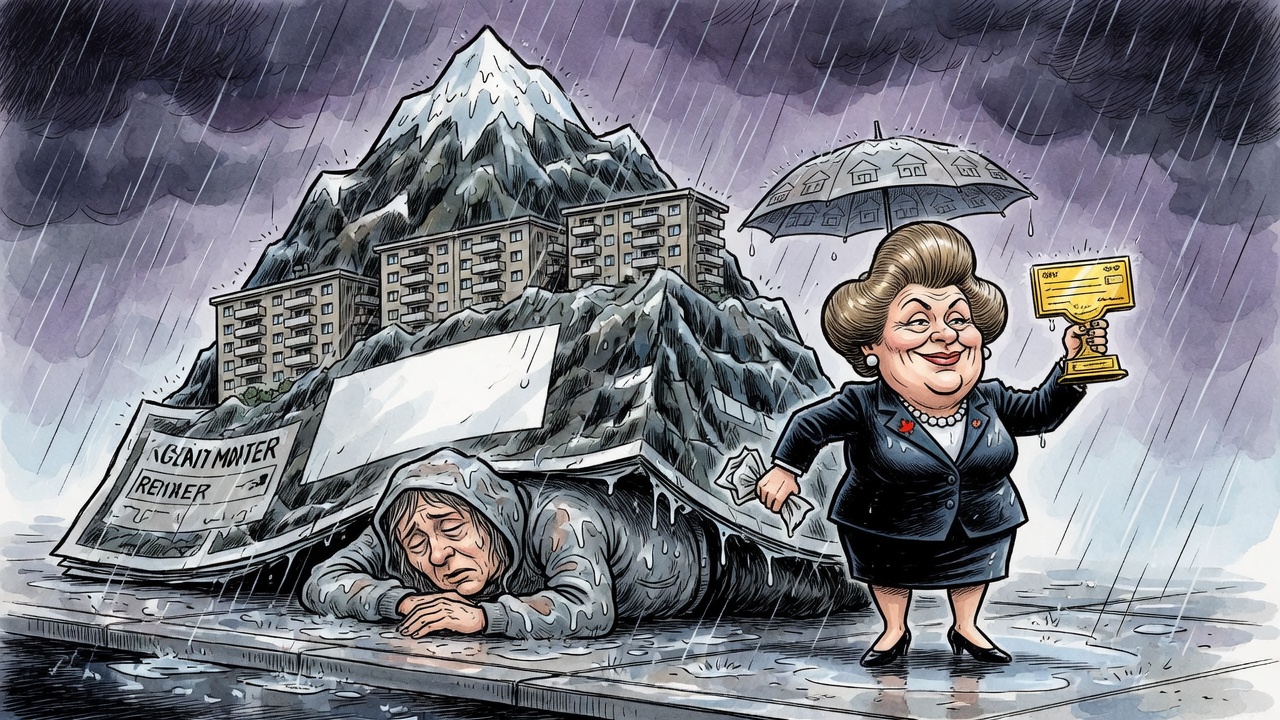
Christine Boyle’s ministry wants British Columbians to hear a simple message: rents are coming down, and the NDP’s housing plan is working. The September 9 government statement says Rentals.ca’s latest report showed B.C. average asking rents down 4.7% overall from a year earlier, with purpose-built rentals and apartments down 4.6%. It also says Vancouver purpose-built rents were 19% below their July 2023 peak.
Those numbers matter. A year-over-year decline is better than another jump. But the government’s celebration skips the question renters actually ask before signing a lease: can ordinary working people afford the asking price today?
The same Rentals.ca and Urbanation release puts the answer in sharp relief. Canada’s average asking rent was $2,035 in August, down 4.8% year over year. British Columbia, at $2,353 for apartment and condo rents, remained one of the country’s most expensive provinces, narrowly behind Nova Scotia. And in Vancouver, rents rose 1.0% from July to August to $2,704, even while remaining down 4.1% from a year earlier.
Then comes the North Shore reality check. Rentals.ca said North Vancouver remained the most expensive rental market in the country outside the six largest cities, at $3,018. Daily Hive, using the same report and additional figures, put North Vancouver’s average asking rent at $3,036, with one-bedrooms at $2,500 and two-bedrooms at $3,434. That is not affordability. That is crisis pricing with a smaller year-over-year headline.
The distinction is not academic. Asking-rent reports measure the listings people see when they need to move, not the full stock of occupied homes. They are especially relevant to young workers, separated parents, newcomers, students, seniors forced out of a previous home, and anyone whose landlord sells or renovates. For those renters, “below peak” does not pay the deposit.
Boyle’s statement claims the province is “on the right track” and cites policies such as the speculation and vacancy tax, rent-increase caps and new rental projects. Fine: then set a public affordability target and report against it. How many B.C. renters can afford a new one-bedroom without spending more than 30% of income? How many purpose-built rentals are reaching middle-income households without subsidies? How many approvals become keys in the door?
Falling from an historic high is not the same thing as creating affordable housing. If David Eby’s NDP wants credit for lower rents, it should also own the remaining bill: $3,000-plus North Vancouver asks, a Vancouver month-over-month increase, and a market where renters are still being asked to call a crisis a victory.