After the Gas-Royalty Blowout, B.C. Made the Receipts Harder to See
The public owns the resource. After a roughly $1.5-billion gas-royalty miss, British Columbians should be able to see more of the royalty file, not less.
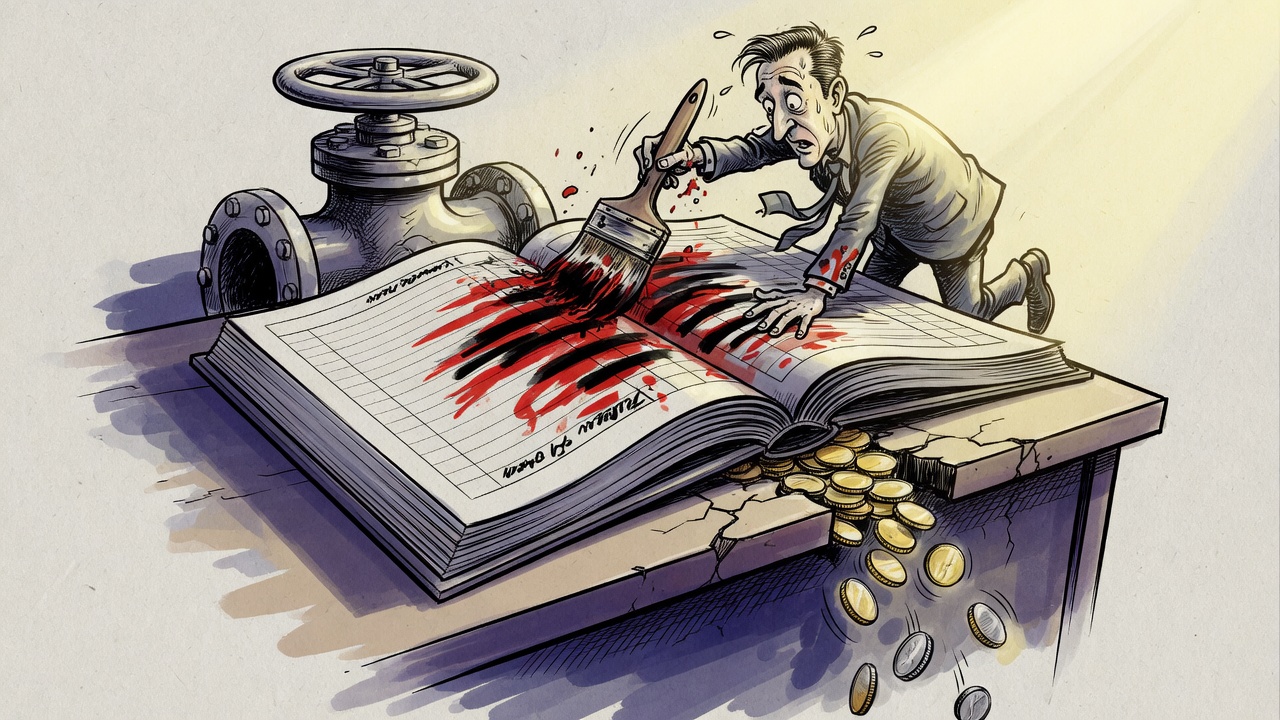
British Columbia’s natural-gas royalty scandal now has a second problem: secrecy. The first problem was the money. The province’s own fiscal story was thrown off by a massive overstatement of expected natural-gas royalty revenue, with the opposition saying Premier David Eby has admitted the budget overestimated royalties by $1.5 billion.
The second problem is whether the public can still see enough to check the government’s work. On September 9, The Tyee reported that B.C. no longer releases company-by-company oil-and-gas royalty payment data in the same way it previously did through freedom-of-information requests. The article says a recent FOI package returned with 30 pages of a 50-page response largely blanked out: company names visible, dollar figures redacted.
That is not a small transparency dispute. Natural gas under Crown land is a public resource. Royalties are the public’s return when private companies extract it. If the government misreads the royalty outlook by roughly $1.5 billion, then British Columbians have an obvious public-interest reason to ask what was paid, by whom, and how those figures were used in budget assumptions.
The government’s legal shield is now broader. Current Petroleum and Natural Gas Act confidentiality language covers information related to taxes, royalties, interest, penalties and other amounts under the Act. It also restricts disclosure of information obtained for the Act’s royalty and tax provisions, subject to listed exceptions such as aggregate or non-identifying information. Bill 10, passed in 2025, rewrote the confidentiality section after earlier disclosures had shown company-level royalty payment amounts.
The NDP may say this is about protecting taxpayer-style confidentiality. But that answer is incomplete. A gas royalty is not just another private filing. It is the price paid to the public for extracting a public asset. B.C. already publishes other resource-payment information in different contexts, including forestry stumpage. The standard should not be: trust the same government that just had to explain a huge royalty forecasting failure.
There is a legally clean way through this: release enough records for accountability without exposing truly protected commercial details. Publish audited aggregate tables, methodology, assumptions, error timelines, corrected forecast inputs and a company-level disclosure model that respects legitimate confidentiality while showing the public what the public is owed. If legislation now blocks that, the Legislature can amend it.
After the budget miss, opacity is not caution. It is a political choice. David Eby’s government should stop asking British Columbians to look away from the royalty ledger and start proving, line by line, that the public is getting the full return from a public resource.