If DRIPA Is Clear, Why Does UBCM Need a Three-Hour Plenary?
B.C.’s municipal leaders are being asked to spend a major convention block on the “complexities” of DRIPA implementation. That is not a fringe complaint. It is a governance warning light.
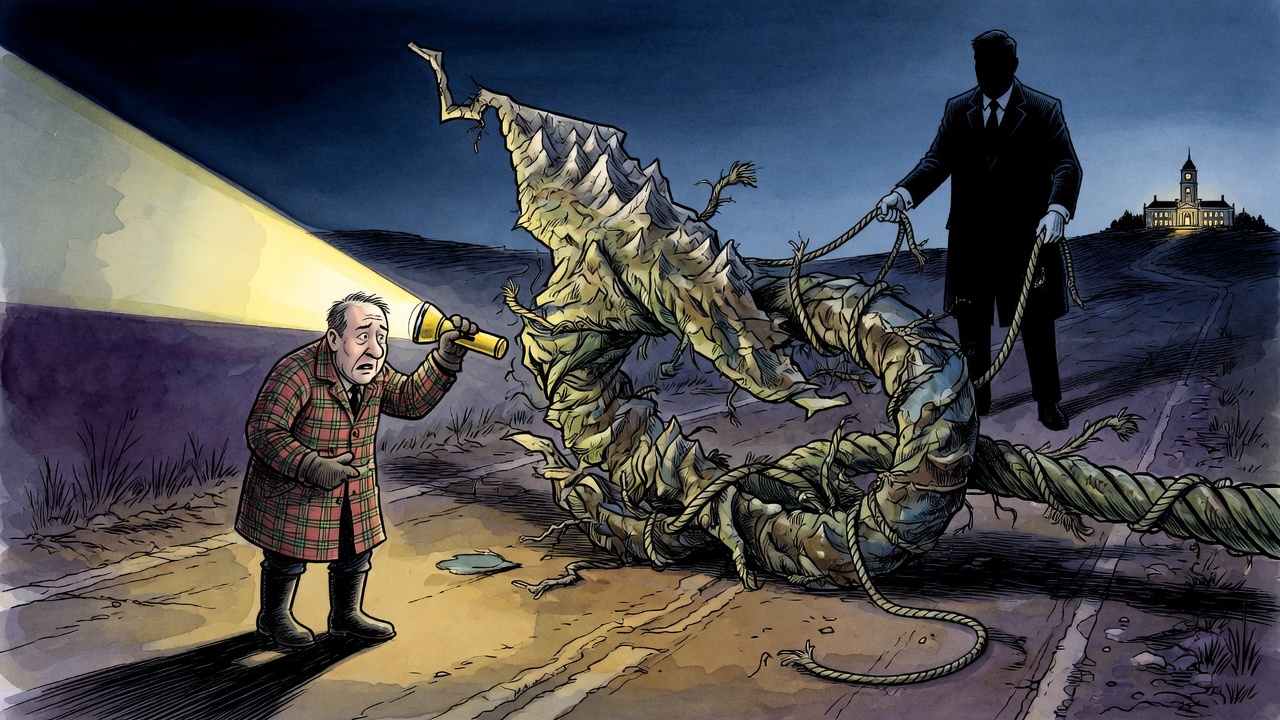
The Union of BC Municipalities announced on September 3 that its 2026 convention will include an extended plenary called “Understanding DRIPA.” The session is scheduled for September 15, from 1:45 p.m. to 5 p.m., at the Vancouver Convention Centre East. UBCM says the Declaration on the Rights of Indigenous Peoples Act continues to shape conversations in B.C. about reconciliation, governance, law-making and community relationships — and that the plenary will discuss the “complexities” around the Act and its implementation.
That wording matters. This is not a social-media rumour or a partisan town hall. It is B.C.’s local-government association carving out more than three hours at its annual convention for legal, Indigenous, municipal, business and provincial perspectives on a law David Eby’s government often presents as settled moral architecture.
The Declaration Act is not merely symbolic. B.C.’s current statute says government must take all measures necessary to make provincial laws consistent with the UN declaration, prepare and implement an action plan, and report annually. Section 7 also allows decision-making agreements with Indigenous governing bodies, including joint exercise of statutory decisions or consent before a statutory decision is made.
The province’s own annual-reporting page says the 2025-26 report covers progress on 84 of 89 action-plan items, as well as work to align provincial laws with the UN declaration, between April 1, 2025 and March 31, 2026. If implementation is that advanced, municipalities should not still be guessing what the rules mean for planning, permitting, local consultation and public accountability.
To be clear, UBCM’s notice does not say municipalities oppose reconciliation or oppose the Act. It says members will consider what DRIPA means for their communities, learn where clearer engagement and information-sharing is needed, and hear from panels that include legal experts, business voices, First Nation leaders, UBCM president Cori Ramsay and provincial representatives still being confirmed.
That is exactly where the accountability test belongs. Which provincial decisions are now affected by DRIPA alignment work? When a section 7 agreement is contemplated, which local governments and affected residents get consulted, how early, and with what records? How will the province prevent uncertainty from freezing housing, resource projects, infrastructure or private investment? Who pays when provincial ambiguity becomes municipal delay?
British Columbians can support reconciliation and still demand plain rules. The NDP cannot keep answering practical questions with slogans about partnership. If DRIPA is clear, David Eby’s government should welcome UBCM’s plenary and arrive with a public implementation ledger: decisions affected, agreements contemplated, consultation promised, timelines, costs and appeal paths. If the law is shaping governance across B.C., voters deserve more than reassurance. They deserve the map.