If the NDP Wants a New Speech Crime, It Must Define the Line
Residential-school abuse and survivor testimony deserve respect. Criminal law still demands a clear boundary before government asks for new power.
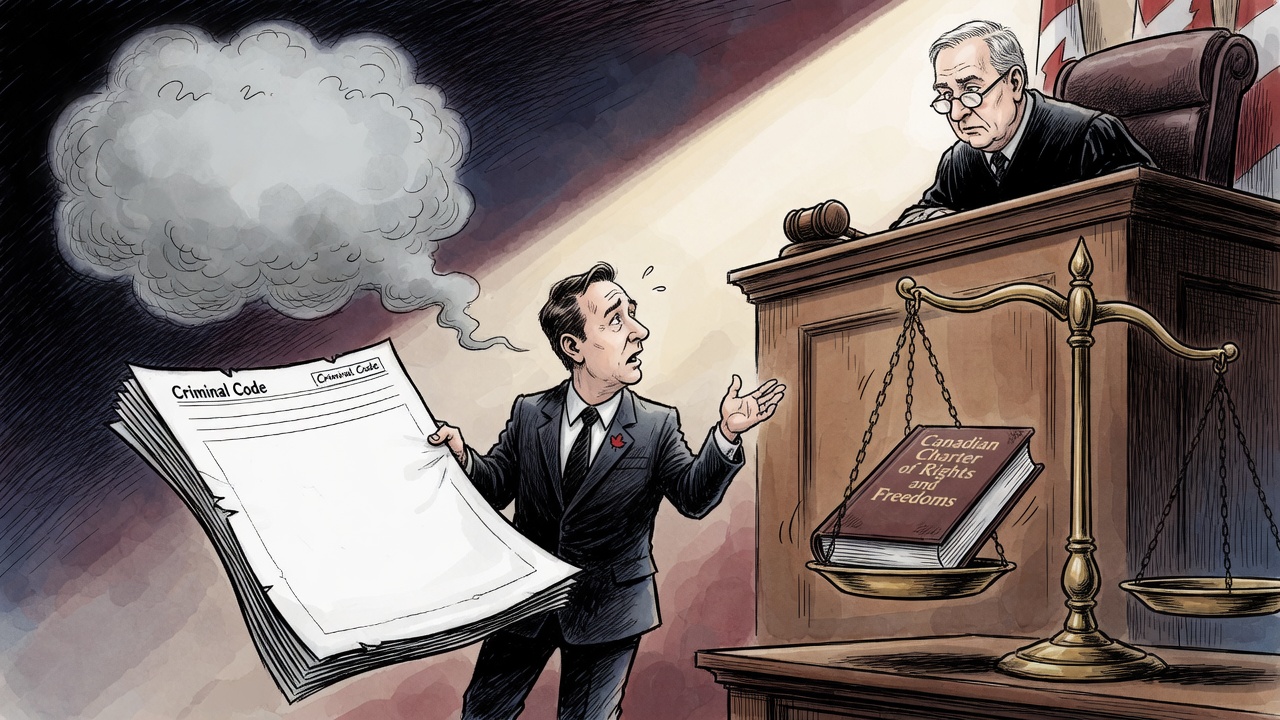
The hardest cases for free expression are not the easy ones. They are the cases where the subject is painful, the history is real, and the temptation to answer bad speech with state power is strongest.
That is why Attorney General Niki Sharma’s interview with Aaron Pete matters. Pete asked a narrow legal question about B.C.’s support for federal action on residential-school denialism: what precisely would become illegal? He specifically raised the difference between denying the harms of residential schools and questioning a particular evidentiary claim about Kamloops.
Sharma did not deny the importance of free expression. In the Buzzsprout transcript, she said Canada has Charter rights, fair comment, and the right to ask questions. She also said B.C. supported the federal government looking at how to balance those rights against speech that becomes harmful or crosses into hate-speech territory.
But “balance” is not a criminal offence. It is a principle. A person cannot read a principle and know whether a question, interview, academic paper, documentary, social-media post or news column might bring police, prosecutors and courts to the door.
This is not an argument for erasing residential-school history. The record of forced separation, abuse, cultural destruction and children who never returned home is not something serious people should trivialize. Survivor testimony deserves dignity. The Truth and Reconciliation Commission’s work deserves to be read, not waved away.
The issue is whether British Columbians are being asked to support a new criminal-law category before the government has defined it. Pete’s September 1 write-up argues criminal law is the wrong tool, while also saying survivors deserve sensitivity, kindness and respect. Hansard shows the issue has already been pressed inside the Legislature: on February 23, Debra Toporowski spoke against residential-school denialism, called for truth-telling in education and said strong measures should be considered to protect survivors from hate and denialism online.
Those concerns deserve a serious answer. So does the civil-liberties question. If the offence is meant only for targeted hate, say so in statutory language. If it would capture denial that residential schools existed, say so. If it could capture disputes over wording, numbers, methodology, ground-penetrating-radar findings or the word “genocide,” say so before the power is granted.
The Attorney General is not just another cabinet spokesperson. Sharma’s job includes defending constitutional rights and explaining legal limits. On this file, B.C.’s government should stop relying on moral urgency alone and release the test it wants Ottawa to enact: the prohibited conduct, the mental element, the defences, the evidentiary threshold and the safeguards for journalists, researchers, survivors and citizens asking good-faith questions.
Reconciliation built on truth should be strong enough to survive scrutiny. Criminal law built on undefined terms is not reconciliation. It is state power without the public seeing the line first.