Kahlon Hits Reset on Helmcken. The NDP Should Publish the Overdose-Site Ledger.
A reset is not accountability unless the public gets the consultation, safety and outcomes ledger.
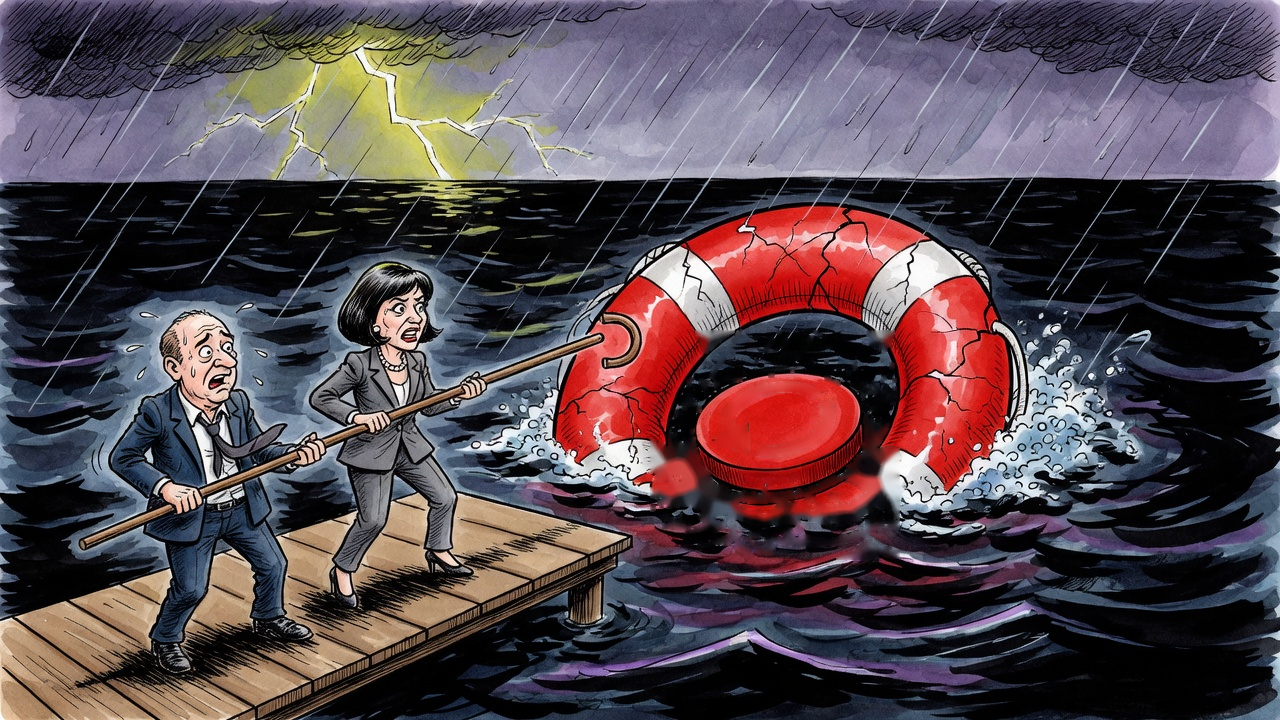
B.C.’s new health minister is trying to rename a political retreat as a reset. Castanet, carrying Rob Shaw’s reporting, says Ravi Kahlon is promising a new approach to overdose-prevention sites and acknowledging government has not communicated well enough about their purpose or community impact.
The timing matters. Kahlon says he ordered Vancouver Coastal Health to stand down on the proposed 900 Helmcken Street overdose-prevention site shortly after Premier David Eby moved him from jobs to health on August 14. That location had become a flashpoint for nearby businesses, residents and municipal politicians concerned about street disorder, open drug use, safety and crime.
The overdose crisis is real and deadly. The BC Coroners Service reported 138 suspected unregulated-drug-toxicity deaths in June 2026, about 4.6 deaths per day. In the first six months of 2026, Fraser Health and Vancouver Coastal Health together accounted for 52% of such deaths by health authority. Any serious government has to act with urgency.
But urgency is not a permission slip for bulldozing neighbourhood trust. On May 27, the province said Vancouver Coastal Health would not proceed with the Helmcken site “at this time,” that there was no planned opening date, and that a mobile overdose-prevention site would continue limited services in the area. That statement came only after the city, local businesses and community partners raised concerns.
CityNews later reported the province had opted not to go ahead with the site after backlash from local businesses, residents and the City of Vancouver. Global News then reported neighbours were worried about ad hoc harm-reduction tables appearing near the vacant building, while Vancouver Coastal Health said it would work with the ministry and city stakeholders on alternative programming, including treatment and recovery supports and long-term wellness programs.
That is the NDP’s problem in one file: lifesaving services, public disorder, treatment gaps, neighbourhood safety and community consent are all colliding, and the public is still asked to trust process language instead of seeing a measurable plan.
Kahlon should release the ledger before any new site is advanced: who was consulted, when concerns were received, what safety plan was proposed, how calls for treatment and recovery were assessed, what outcomes existing sites are achieving, and what standards trigger a pause, redesign or relocation. If the government believes its model is right, it should be able to defend it in public before contracts, leases and health-authority plans outrun the neighbourhood conversation.
No one should pretend this is easy. People are dying, families are desperate, workers are exhausted and communities are frustrated. But a reset button is not a strategy. After years of NDP control over this crisis, British Columbians deserve more than another promise to communicate better after the backlash has already forced a retreat.
Sources and records
- Castanet / Rob Shaw: Kahlon promises reset on B.C. overdose-prevention sites
- B.C. Government statement: proposed overdose-prevention site in Vancouver
- BC Coroners Service bulletin: June 2026 suspected unregulated-drug-toxicity deaths
- CityNews Vancouver: province cancels plans for downtown Vancouver overdose-prevention site
- Global News: neighbours raise concerns after pop-up overdose-prevention tables appear