Surrey Gets 60 Complex-Care Beds — In Spring 2028
B.C. says construction has begun. Surrey families still need to know what happens before the doors open.
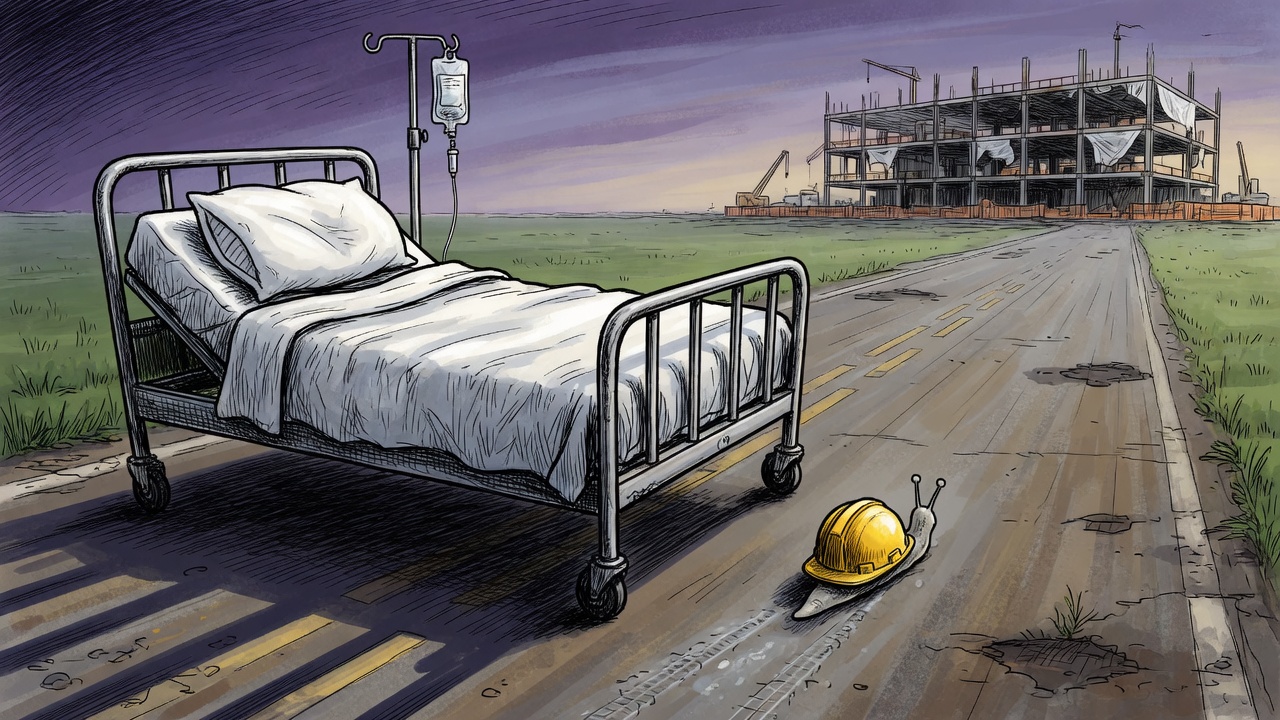
Surrey is being told help is on the way. The catch is the date.
On September 4, the B.C. government said construction has begun on a new mental-health and substance-use facility at 6833/6869 King George Blvd. The plan is for 60 beds for people with complex mental-health, addiction and brain-injury needs. The province says the facility will include treatment and rehabilitation services and will add involuntary admission capacity to the health-care system.
Those beds may be needed. But the government’s own release says they will be available for people by spring 2028. That is the accountability problem: Surrey’s street disorder, emergency-room pressure, family crisis calls and public-safety concerns are happening now. A construction announcement is not the same thing as care.
The project budget is up to $57 million. In July, the province framed the Surrey project alongside a 72-bed Prince George facility, for 132 new beds in total. The Prince George plan has its own long timeline: the first 24 beds expected by December 2027 and the rest by the end of 2028. That means B.C.’s new secure mental-health capacity is being sold politically today while much of the actual service is still years away.
This is where Premier David Eby’s government owes the public more than a ceremonial progress update. If Surrey needs 60 beds in 2028, how many people need that level of care in 2026? How many are cycling through police calls, shelters, hospitals, supportive housing, corrections or the street because the right bed does not exist? How many qualified psychiatrists, nurses, social workers, Indigenous cultural-support workers, addiction-medicine clinicians and security staff are already hired — not merely hoped for?
There is also a rights question. Involuntary care is a serious state power. It must be lawful, clinically justified and subject to safeguards. The government should be transparent about admission criteria, review rights, discharge planning, family involvement, cultural safety, and how voluntary treatment capacity will expand at the same time. British Columbians can support urgent treatment for people in severe crisis while still demanding clear guardrails.
The NDP’s weak spot is not admitting B.C. needs complex-care beds. The weak spot is announcing future capacity without a public interim plan. Surrey residents deserve monthly numbers: waitlists, diversions, overdose and crisis-call trends, staffing progress, capital spending, opening milestones and measurable outcomes after admission.
Sixty beds in spring 2028 may eventually help. But the crisis is not waiting for a ribbon cutting. Until Victoria shows what happens between now and then, this is not a solved problem. It is a delayed promise with a price tag.