Ten Years Later, B.C. Still Owes Answers in Patricia Wilson’s Death in Custody
A death in a jail cell should trigger timely public answers. Patricia Ann Wilson’s case shows how long families and British Columbians can be left waiting.
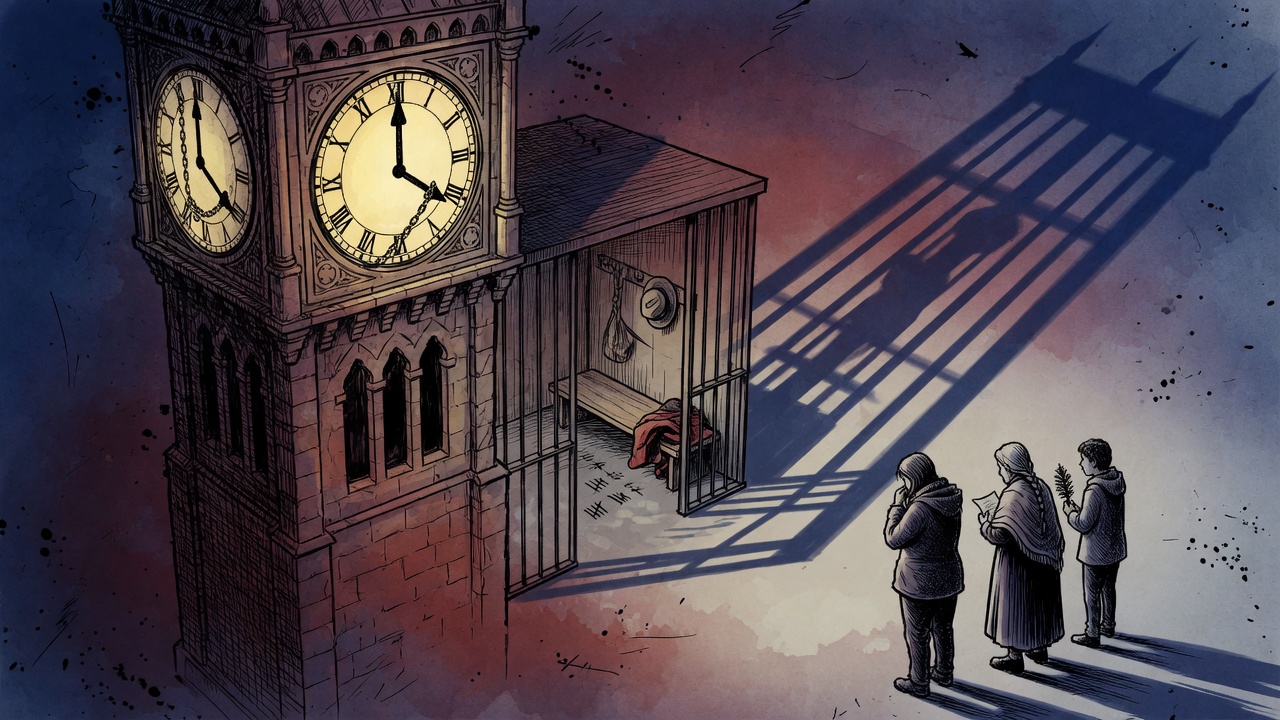
Patricia Ann Wilson died in custody in 2016. British Columbians are still waiting for the public accounting.
On September 3, the BC Coroners Service announced that Wilson’s inquest has been rescheduled to start Tuesday, September 15, 2026, at Burnaby Coroner’s Court. The government bulletin says Wilson was 58, and that her death was reported to the Coroners Service on March 29, 2016, following events involving civilian jail guards and members of the White Rock RCMP detachment.
The Coroners Service also confirms the inquest was originally scheduled for June 2025. Its own public inquest page explains why this matters: an inquest is meant to determine the facts, make prevention recommendations where supported by evidence, and help assure the community that a death will not be overlooked, concealed or ignored. In deaths involving custody by a peace officer, the Coroners Act makes inquests mandatory unless narrow exceptions apply.
This is not a trial, and it must not be treated as one. The presiding coroner and jury cannot assign legal responsibility. But the non-fault-finding label does not make the process optional theatre. It is one of the few public tools available when a person dies under state control.
CityNews reported in 2025 that Wilson had been arrested on an outstanding drug-related warrant, was found in her cell on the day she was scheduled to appear in court, and had been in custody for just over 90 hours, including 51 hours since she last ate. CityNews also reported that the IIO’s 2024 report noted she had been suffering delusions for days.
The allegations from Wilson’s family should be labelled clearly: family members told CityNews they believe she was treated differently because of addiction and that her rights were violated. Those are claims, not findings by the inquest. But they are exactly the kind of grave public questions an inquest exists to examine through sworn evidence.
The timeline is damning enough without speculating. A 2016 death. An IIO report released eight years later. A 2025 inquest date postponed. A 2026 rescheduled hearing. Each delay weakens public trust, especially for vulnerable people whose safety depends on the state once the jail door closes. If B.C.’s government wants public confidence in custody, policing and jail oversight, it cannot ask families to measure accountability in decades.
Wilson’s inquest should be followed closely, respectfully and factually. The public deserves the evidence, the recommendations, and a straight answer to the larger question: why did this take so long?
Sources and records
- BC Government / BC Coroners Service: inquest into death of Patricia Ann Wilson rescheduled
- BC Coroners Service: inquest schedule and role of inquests
- CityNews Vancouver: BC Coroners Service announced 2025 inquest dates into 2016 death
- CityNews Vancouver: family speaks after IIO report released eight years later