Eby Calls It Resilience. B.C. Workers See 26,000 Full-Time Jobs Gone.
August’s labour-force numbers expose the gap between government spin and the paycheque reality facing B.C. families.
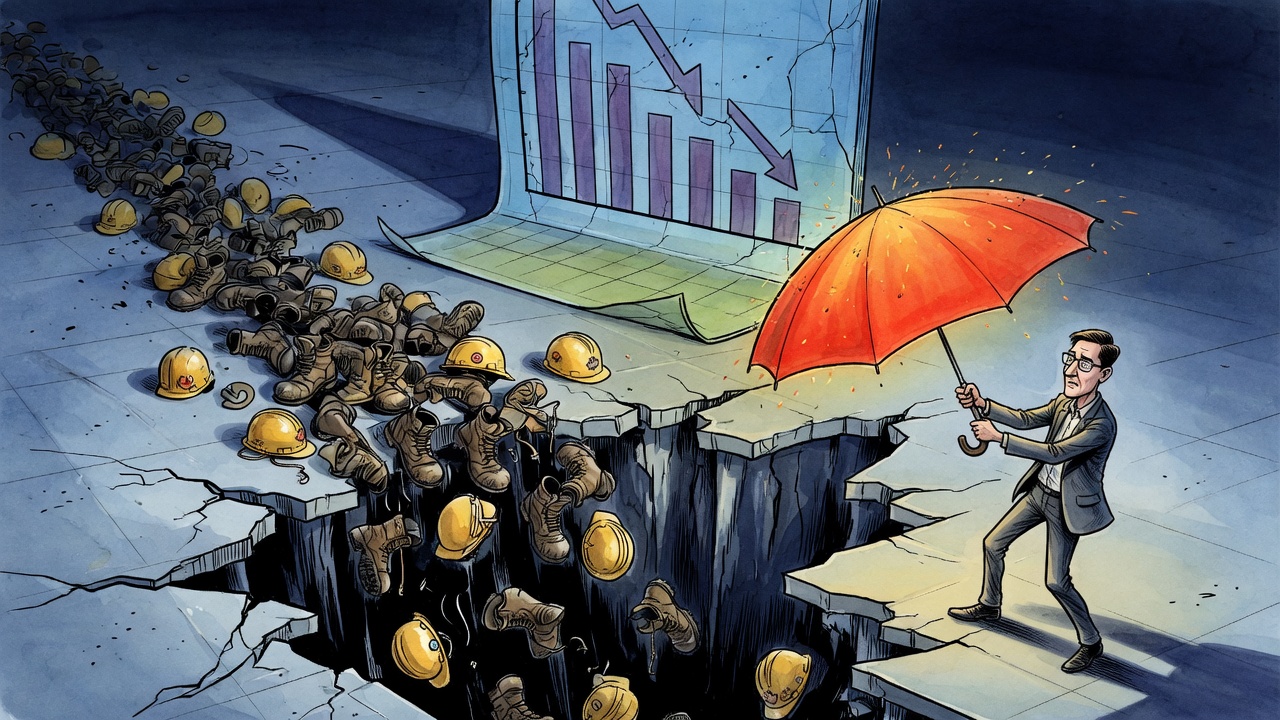
David Eby’s government wants British Columbians to hear the word “resilience.” Workers who just watched full-time employment drop heard something else: fewer stable paycheques in one of Canada’s most expensive provinces.
Statistics Canada released the August 2026 Labour Force Survey on September 4. Nationally, employment fell by 42,000 and the unemployment rate stayed at 6.4%. In B.C., the agency’s provincial table put employment at 2,949,000, down 0.2% for the month, and unemployment at 6.5%, up 0.3 percentage points.
The headline number is bad enough. The composition is worse. Daily Hive, citing the same labour-force release, reported that B.C. shed 26,000 full-time jobs in August while gaining 20,600 part-time jobs. That is not a technical footnote. Full-time work is what pays rent, supports mortgages, anchors families and gives resource-town households a fighting chance against B.C.’s cost of living.
Yet the ministry message was to frame the numbers as proof of B.C.’s “economic resilience,” pointing to the smallest employment decline among large provinces and to job gains earlier in the summer. That is classic Victoria accounting: emphasize the least-bad comparison, bury the pain inside the mix, and hope the public does not separate full-time work from part-time backfill.
Nobody should pretend one monthly labour report tells the whole economic story. Statistics Canada’s own national release notes recent gains before August and a year-over-year increase in employment across Canada. But accountability starts by admitting what this month’s numbers actually say. In B.C., the August result was fewer jobs overall, a higher unemployment rate, and a sharp reported swing away from full-time work.
The resource-economy warning is especially hard to ignore. Conservative labour critic Kiel Giddens argued that forestry communities are losing good-paying work and that families are wondering where the next good-paying job will come from. The government points to U.S. tariff pressure. Tariffs matter. So do years of provincial permitting delays, cost pressures, industrial uncertainty and policy churn that make it harder to keep investment and jobs rooted here.
If Eby and Adrian Dix want to call this resilience, they should release the receipts. How many full-time private-sector jobs has B.C. added or lost since the NDP’s latest economic plan? Which sectors are replacing forestry and natural-resource employment with equal wages? How many projects are still stalled in provincial process? What is the government’s measurable target for full-time job growth by region?
A family cannot budget with a slogan. A laid-off mill worker cannot pay bills with a ministry adjective. B.C. needs stable, private-sector, full-time work — and a government willing to measure itself against that standard instead of applauding a bad month for being “resilient.”