Chilliwack Backyard Scare Demands BC Housing Answers
A family’s reported emergency near Phoenix Pathways is exactly why “wraparound supports” need a public safety scorecard neighbours can trust.
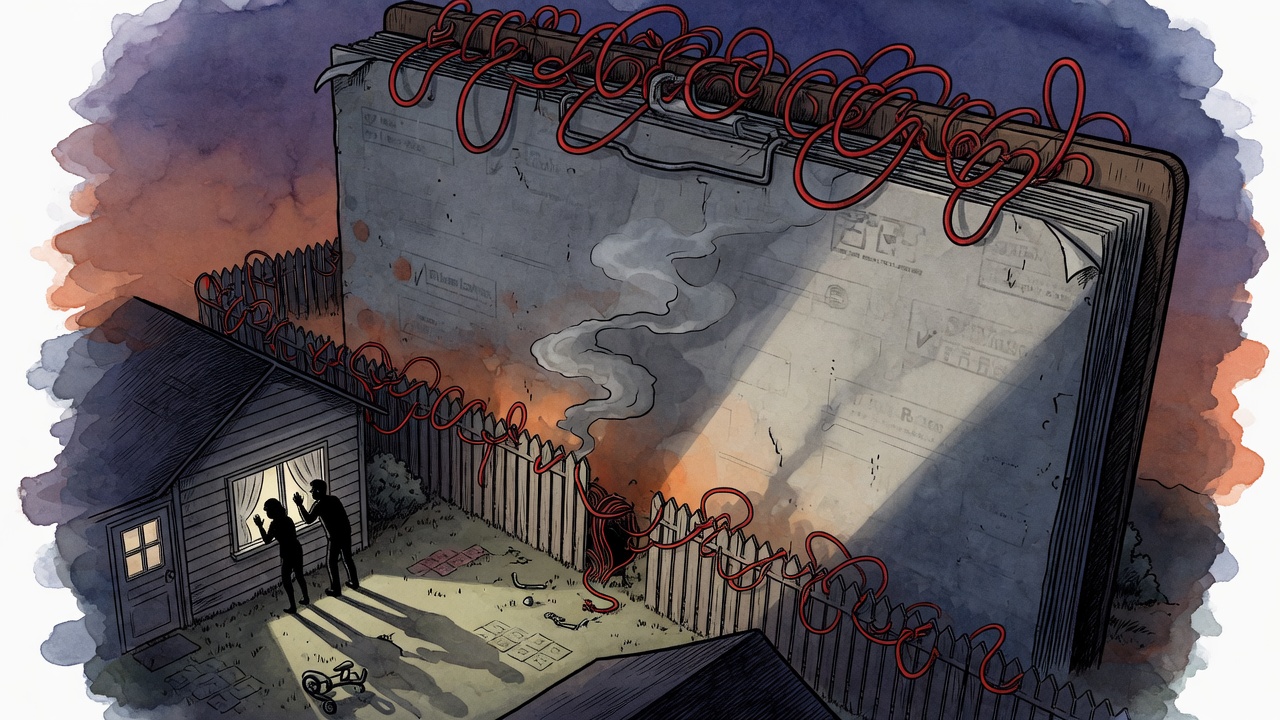
A child’s backyard should not become an accountability test for BC Housing. But that is where the question now sits in Chilliwack after Fraser Valley Today reported Darren Jackson’s account of an August 21 emergency near the Phoenix Pathways complex on Trethewey Avenue.
Jackson told the outlet his daughter had been playing in the family’s fenced yard when she collapsed after what he believed was exposure to drug smoke from people smoking near the fence. He said he performed CPR, drove her to Chilliwack General Hospital and was told by hospital staff that the episode involved fentanyl and meth exposure. The girl was discharged the same day and, according to her father, appears to have recovered.
Those details must be handled carefully. Public reporting so far rests mainly on the family’s account. Police were not contacted that day, according to the same report. No public statement from Fraser Health, BC Housing, Phoenix Society or police has been cited confirming medical causation. That does not make the family’s concern disposable. It makes the need for transparent answers more urgent.
Phoenix Pathways is not a vague rumour on the edge of town. BC Housing’s own project page says BC Housing and the Phoenix Drug and Alcohol Recovery and Education Society built the site at 45867 Trethewey Avenue and Rowat Avenue. The project includes 49 studio homes with support services, including 22 complex-care homes, plus 42 shelter spaces.
Phoenix Society’s program page describes the same project as a continuum of supportive housing, enhanced health care and long-stay shelter, with 24/7 wraparound services, meals, laundry, case management and supports to maintain housing stability. That is the promise. The public-safety question is whether the promise is being measured outside the building, where neighbours actually live.
BC Housing’s project page directs residents to submit questions about the site. That cannot be the whole accountability model. The public needs concrete answers: how many complaints, how many security calls, how fast response times are, how outdoor drug use is prevented near family yards, and who is accountable when neighbours say the system fails.
This is not an argument against housing vulnerable people. It is an argument against pretending compassion and enforcement are opposites. A government that asks communities to accept complex-care, supportive-housing and shelter projects has a duty to protect residents inside the site and families beside it.
David Eby’s government cannot keep selling “wraparound supports” as a magic phrase. If supports are real, show the outcomes. If security is real, show the response log. If neighbourhood concerns are taken seriously, publish the fixes. Chilliwack families deserve more than reassurance after the fact. They deserve proof that BC Housing’s model is safe beyond the property line.