Emergency Powers for Nothing? B.C. Ends Wildfire Emergency While Risk Remains
The province reached for extraordinary authority, then said it did not need to use it. British Columbians deserve the operational ledger.
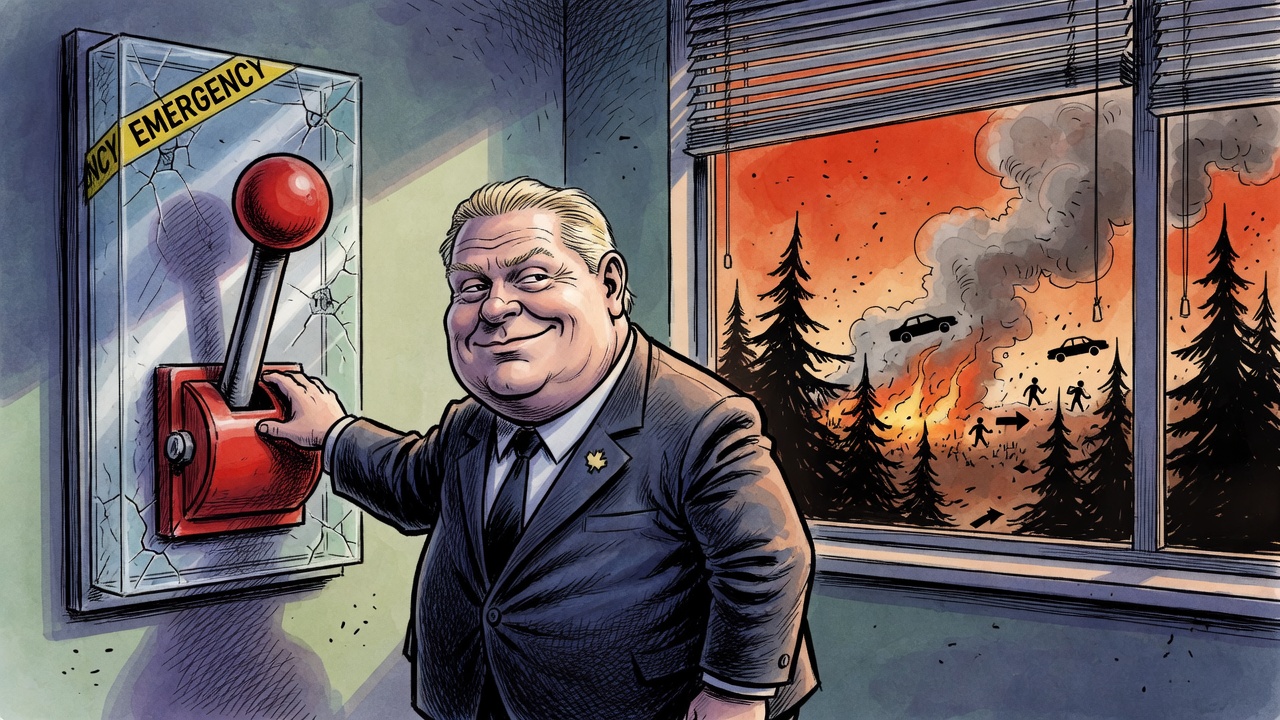
B.C.’s wildfire state of emergency has ended with a sentence that should stop cabinet from taking a victory lap: the province says it did not need to use the emergency powers it put on standby.
This is not a criticism of firefighters, local emergency officials, First Nations or evacuee-support workers. They were dealing with real danger, real smoke and real displacement. The accountability question belongs at the cabinet table: what changed because Premier David Eby’s government escalated to a provincewide emergency declaration?
The official record is clear. The province says the state of provincial emergency was first declared on August 8, 2026, in response to significant wildfire activity and widespread evacuations. In the August 21 extension notice, government said the declaration preserved access to powers under the Emergency and Disaster Management Act if they were required. It also said that, to that point, no emergency orders had been issued under the declaration.
Then came the endpoint. On August 27, the Ministry of Emergency Management and Climate Readiness said the state of emergency was ending while wildfire risk remained elevated in many parts of B.C. The same bulletin said there was no impact on existing local states of emergency, evacuation orders or evacuation alerts. It added that the Wildfire Act and Emergency and Disaster Management Act still provided the tools currently needed, including co-ordination of provincial and international resources.
That leaves a simple ledger. More than 20,000 people had been evacuated when the emergency was declared. Thousands were still under orders or alerts when the province extended it. Wildfire risk remained high when it ended. Yet the extraordinary emergency powers were not actually used.
Maybe cabinet’s argument is that standby authority was prudent insurance. If so, say that plainly and show the public the decision test. What threshold justified the declaration on August 8? What indicators justified the August 21 extension? What changed by August 27? Which operational bottlenecks were solved by ordinary authorities instead? Which supports for evacuees, local governments and First Nations were improved because Victoria escalated?
The province cannot have it both ways. It cannot treat emergency powers as grave enough to invoke, vague enough not to explain, and consequence-free when unused. When wildfire conditions are dangerous, government communications must build trust, not blur the line between operational necessity and political signal.
British Columbians can accept that leaders may need emergency tools in a fast-moving fire season. What they should not accept is an emergency declaration with no public after-action account. If the powers were necessary as a standby measure, publish the criteria. If they were not needed, explain what cabinet learned before the next wildfire crisis forces another high-stakes call.
Sources and records
- B.C. government: Provincial state of emergency ends, wildfire risk remains
- B.C. government: state of emergency extension due to wildfire risk
- CityNews Vancouver: B.C. ends state of emergency while wildfire risk remains
- CityNews Vancouver: B.C. extends state of emergency until August 29
- Global News: B.C. premier declares wildfire state of emergency