Eby Backs The Tariff Fight. Where Is B.C.’s Worker Plan?
Retaliation may be necessary. But B.C. workers need more than a slogan.
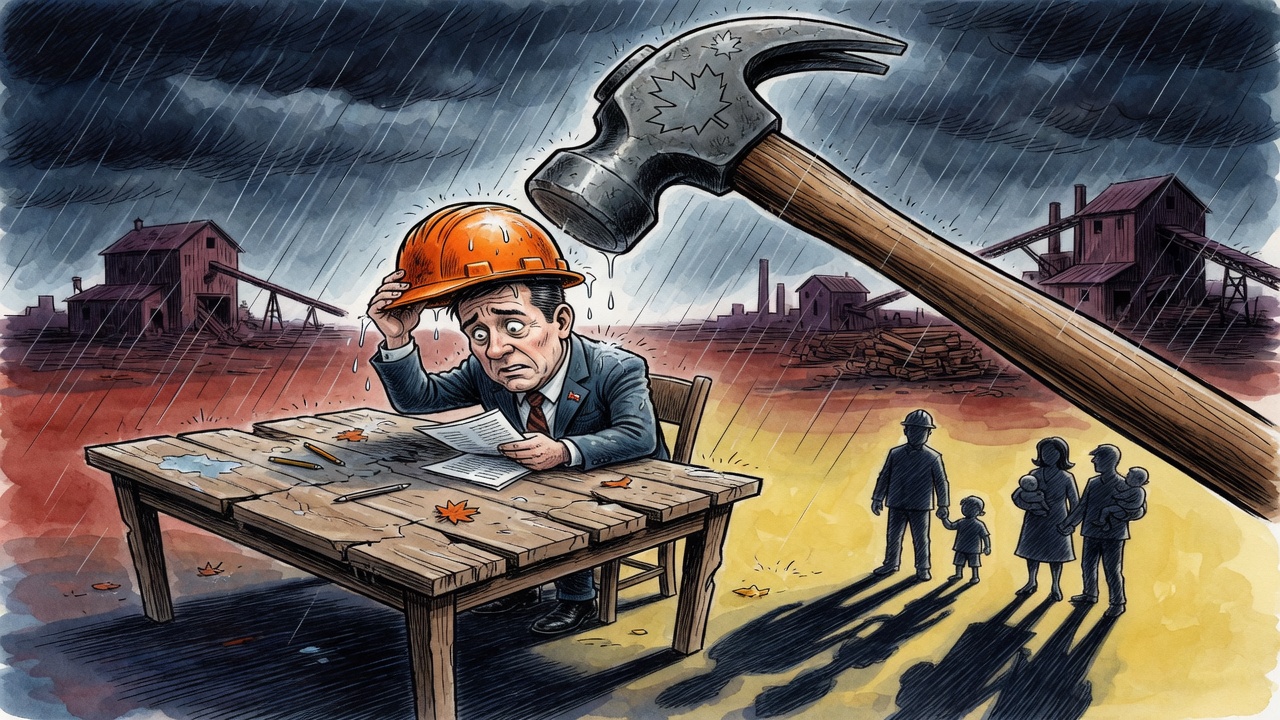
The tariff deadline is no longer theoretical. Prime Minister Mark Carney said late Friday that Canada was suspending trade negotiations with the United States and bringing negotiators back to Ottawa after what he described as unfair last-minute U.S. demands. At 12:01 a.m. Eastern on Saturday, Canadian Press reporting carried by Global and CityNews said new 50 per cent U.S. tariffs on billions of dollars in Canadian goods took effect.
Carney says Canada will answer “dollar for dollar,” and that Ottawa will announce more support for affected workers and businesses in the coming days. That may be the correct national posture. A country cannot let a neighbour dictate its economy by deadline threat.
But British Columbia needs more than a patriotic quote. Global reported that Premier David Eby backed a tough response, saying British Columbians will stand with Canada and that Canadians will keep fighting as long as it takes. Fine. Then show the public the plan.
The provincial question is not whether Eby personally caused an American tariff war. He did not. The question is what his government is doing for B.C. workers, exporters and communities now exposed to the blast. Forestry towns have already been absorbing mill curtailments, unstable softwood access and higher costs. Restaurants, retailers and liquor revenues have also been dragged into the dispute through provincial bans on U.S. alcohol.
That alcohol issue is not a sideshow if Washington and Ottawa both put it on the table. CityNews reported that U.S. complaints included most provinces keeping American alcohol off store shelves. Business in Vancouver reported one analyst’s view that Eby’s silence on lifting B.C.’s U.S. booze ban could be tied to unresolved softwood-lumber relief. That is an analysis, not a proven fact — but it points to the transparency problem.
If B.C.’s alcohol boycott is bargaining leverage, say what it is meant to win. If it is a symbolic retaliation measure, say what it costs. If it is now part of a broader federal strategy, say what conditions would end it. The public should not have to infer provincial trade policy from social-media lines and unnamed negotiating leaks.
There are fair answers Eby could give today: the jobs at risk by region, the sectors facing immediate tariff exposure, the expected hit to provincial revenue, the emergency supports being prepared, and the benchmarks B.C. will use before changing course on retaliatory measures.
“Dollar for dollar” sounds strong. But workers do not pay mortgages with slogans, and sawmills do not reopen because a premier sounded tough after midnight. British Columbians are entitled to the ledger: what this fight costs, who is being protected, and when the help arrives.
Sources and records
- Prime Minister of Canada: Statement by Prime Minister Carney on Canada-U.S. trade negotiations
- Global News / Canadian Press: Canada vows dollar-for-dollar response to Trump’s 50% tariffs
- CityNews Vancouver / Canadian Press: Canada vows dollar-to-dollar tariff retaliation, suspends trade talks with U.S.
- Business in Vancouver: Premier Eby’s silence on U.S. booze ban could concern lumber file, says analyst