Eby’s RICO Ask Is an Admission B.C.’s Safety Tools Aren’t Enough
David Eby is asking Ottawa for U.S.-style anti-racketeering laws. That may be worth debating, but it is also an admission that B.C.’s current public-safety toolkit is not delivering enough.
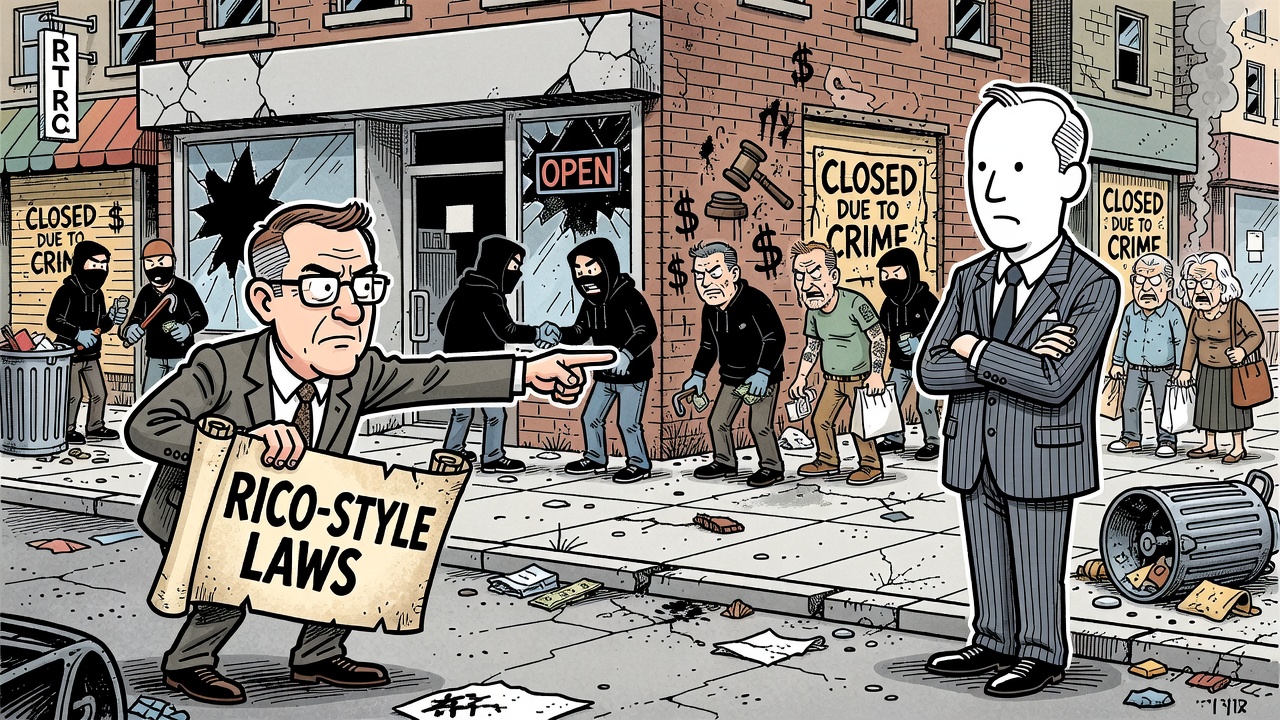
Premier David Eby is now asking Ottawa to consider U.S.-style anti-racketeering laws for Canada. CityNews, carrying The Canadian Press, reported July 17 that Eby planned to raise the idea with other premiers, tying it to extortion, organized crime and a recent U.S. investigation involving B.C. residents facing extradition.
That proposal may deserve a serious federal debate. Organized crime is not small-time disorder, and extortion is not a talking point for families and business owners who feel targeted. But Eby’s request also says something the NDP government should not be allowed to blur: after years in power, B.C.’s existing public-safety tools are not enough.
The U.S. Department of Justice describes Operation Hard Ball as a racketeering and organized-crime case. The department alleges a transnational criminal organization was involved in crimes including attempted murder, firearms trafficking, drug trafficking and money laundering. Those are allegations until proven in court. The RCMP said three people were arrested in British Columbia on provisional warrants tied to U.S. extradition requests, and described the broader investigation as involving groups allegedly engaged in extortion, drug trafficking, kidnapping and violence.
That is the organized-crime side of the file. The street-level side is also visible. In June and July, B.C. rolled out chronic-property-offender hubs and repeat-offender monitoring, saying as many as 865 people would be monitored provincewide. The province says these programs connect police, Crown, corrections, housing, mental-health and addiction supports. Fine. Then voters deserve the scoreboard.
How many extortion complaints are being cleared? How many repeat offenders are breaching release conditions? How quickly are files moving from arrest to charge decision to consequence? How many victims are getting protection and updates? How many businesses are seeing fewer smash-and-grabs, threats and disorder calls?
Eby has also acknowledged the civil-liberties problem. CityNews reported him saying rights groups would likely oppose expanded police powers and that those powers should be tested. He is right to say that. If Ottawa studies RICO-style tools, Canadians need clear warrants, disclosure rules, judicial oversight and sunset reviews — not vague “tough on crime” branding that later collapses in court.
But the accountability target remains Victoria. B.C. cannot spend years announcing hubs, task forces, dashboards and intervention programs, then ask Ottawa for extraordinary new law without explaining what failed, what worked and what evidence proves it.
If the NDP wants tougher organized-crime tools, it should start with tougher honesty: name the gap, release the metrics, protect civil liberties, and tell British Columbians when they should expect safer streets.
Sources and records
- CityNews / The Canadian Press: Eby to push for U.S.-style anti-racketeering laws at premiers’ meetings
- U.S. Department of Justice: Operation Hard Ball arrests and allegations
- RCMP: FBI, RCMP and partners dismantle alleged transnational organized-crime group
- Province of B.C.: Stop extortion information and reporting resources
- Province of B.C.: Lower Mainland chronic-property-offender hubs and monitoring figures
- CityNews / The Canadian Press: B.C. program to crack down on chronic property crime