The Picket Lines Are Down. Eby’s Nursing Crisis Is Not.
BCNU says nurses have ended province-wide job action after accepting mediators’ recommendations, but compensation arbitration, violence, staffing and non-nursing duties remain public accountability tests.
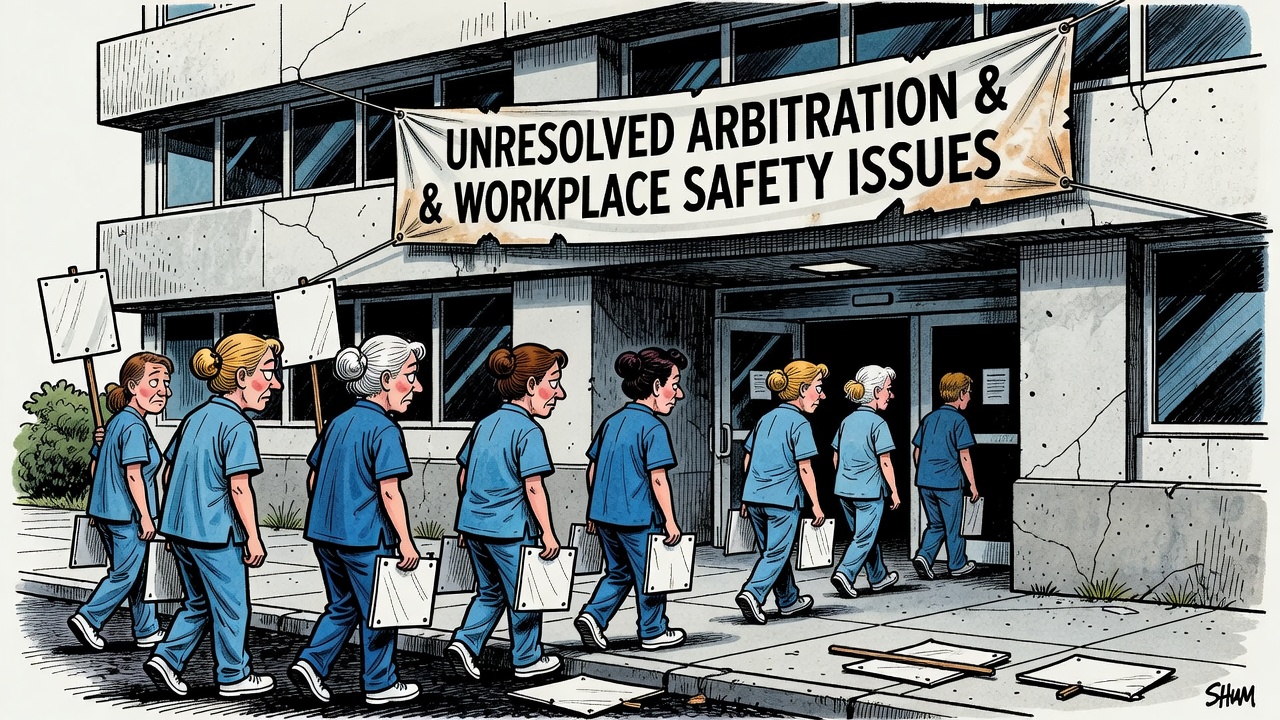
The B.C. nurses’ job action is ending. The health-care crisis that pushed nurses onto picket lines is not.
On July 24, the Nurses’ Bargaining Association accepted non-binding recommendations from special mediators Amanda Rogers and Vince Ready. BCNU said that decision ends all province-wide job action effective midnight. CityNews Vancouver reported the same basic timeline: nurses would end job action at midnight Friday after accepting the mediators’ recommendations.
That is good news for patients, families and exhausted health-care workers. But it is not a victory lap for Premier David Eby’s government. BCNU’s own release says outstanding compensation issues are anticipated to proceed to binding arbitration this fall. In plain English: one of the core disputes was not actually settled at the bargaining table.
The union also says the recommendations address some major concerns nurses had with the May 22 tentative agreement and include actions for all parties on serious systemic issues, including workplace violence and nurses being pulled into non-nursing duties. Those are union claims about what the recommendations do; the substance is now with members for review, and BCNU says it will not provide further public comment while that review is underway.
Still, the public record matters. BCNU described this as the longest nurses’ strike in B.C. history, involving more than 55,000 nurses. For more than three weeks, nurses participated in rotating picket lines in the Lower Mainland and on Vancouver Island, refused non-nursing duties province-wide, and restricted overtime. CityNews also reported that the job action lasted more than three weeks and included picket lines, refusal of non-nursing duties and restricted overtime.
The unanswered question is why it took that level of pressure to force government and health employers to confront problems nurses have been naming for months: violence, retention, overtime dependence, and non-nursing work that pulls trained nurses away from patient care.
Earlier in July, BCNU said it had received more than 2,300 member reports alleging intimidation, coercion and threats tied to refusal of non-nursing duties. By July 17, the union said that number had grown to nearly 4,500 reports of intimidation, coercion and interference, with nearly one-quarter from nurses working in Northern Health. Those are allegations from the union; they deserve investigation, documentation and public answers from health employers.
The NDP cannot market health care as fixed because picket signs are coming down. A system that depends on excessive overtime and nurses doing non-nursing work is not stable. A workplace where nurses allege thousands of interference incidents during lawful job action is not healthy. A settlement that still sends compensation to arbitration is not the end of the file.
Patients need nurses at the bedside. Nurses need a government that solves the conditions driving them away from the bedside. Eby’s next test is not whether he can survive the headline. It is whether his government can prove, with public timelines and measurable results, that the crisis nurses exposed is actually being repaired.