865 Repeat-Offender Files: The NDP’s New Hubs Are Also an Admission
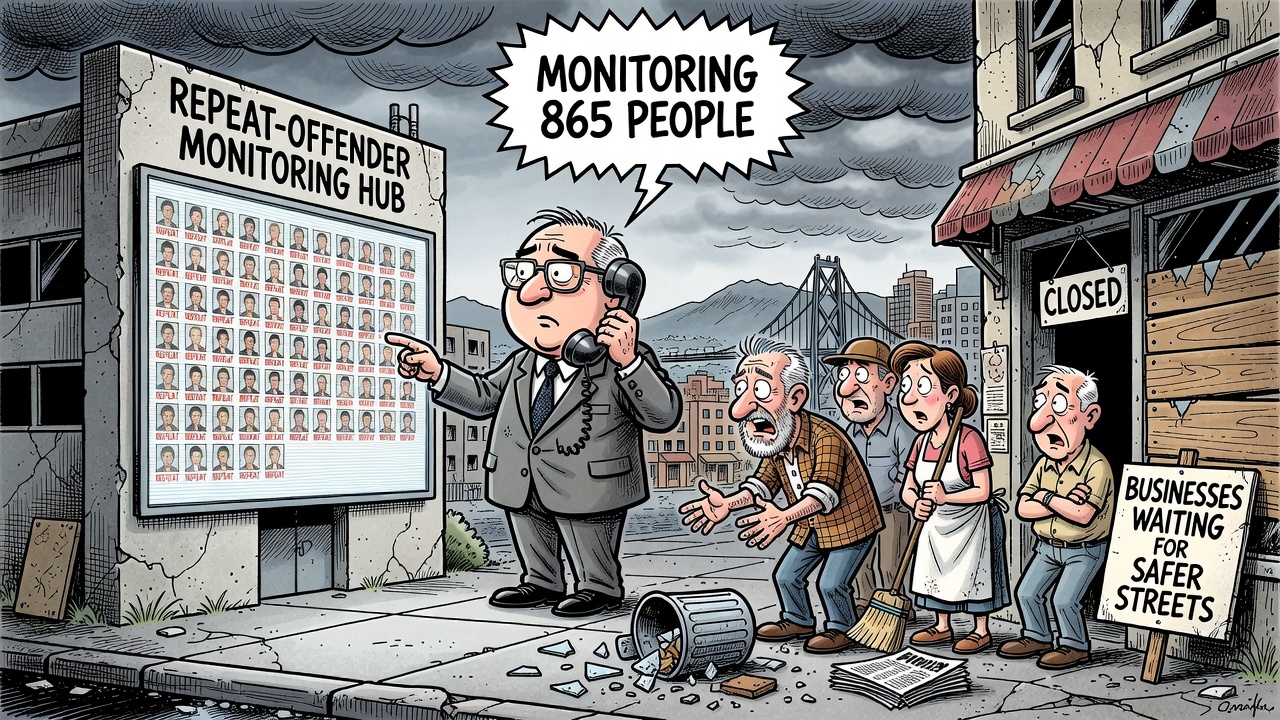
B.C.’s July 23 repeat-offender announcement says as many as 865 people will be monitored provincewide, including 365 in the Lower Mainland. That is progress rhetoric — and an admission of scale.
The B.C. NDP wants its newest public-safety release read as momentum. It should also be read as an admission.
On July 23, the province announced a Lower Mainland expansion of the Chronic Property Offending Intervention Initiative, or C-POII. The government says seven new repeat-offending hubs will expand supervision across the region, with 11 Lower Mainland hubs monitoring 365 people involved in repeat violent, property and public-disorder offences. Provincewide, the release says as many as 865 people will be monitored.
Those words matter. This is not a vague opposition slogan about “street disorder.” It is the government’s own scale marker: hundreds of identified people requiring enhanced supervision, police monitoring, corrections involvement, Crown co-ordination and links to housing, mental-health and addiction supports.
The province says Budget 2026 is putting $16 million over two years into 13 new repeat-offender hubs, bringing the total to 25. The release says the model targets violent offending, vandalism, street disorder, retail theft and chronic property offending. It also says the program is modelled on the Repeat Violent Offending Intervention Initiative, which the government describes as having reduced offending and improved justice-system responses for people in that program.
That is the NDP’s case for itself. But the accountability question is obvious: if this approach is already working, why are B.C. businesses and neighbourhoods still being asked to wait for another rollout, another acronym and another hub map?
Global News, carrying The Canadian Press, reported the same day that the government says it is tracking up to 865 people under the existing repeat violent offender initiative and the chronic property offender program launched last month. Its report also noted the political reality behind the announcement: some business owners say they are still waiting to see improvement.
That does not mean every person being monitored has been convicted of every offence type listed by government. The province’s wording is “people involved in repeat violent, property, and public-disorder offences,” and the program says referrals are based on factors including criminal history, community disruption and risk of reoffending. Precision matters.
But precision cuts both ways. The government has now put a number on the chronic disorder problem it says it is managing. It has identified Vancouver, Surrey and other Lower Mainland communities as places needing concentrated supervision. It has acknowledged the link between repeat offending, retail theft, vandalism and businesses asking for stronger action.
British Columbians should judge this by results, not rollout language. Fewer smashed windows. Fewer repeat thefts. Faster consequences when release conditions are breached. Safer staff, customers and neighbourhoods. If the NDP wants credit for 25 hubs and 865 monitored files, it also owns the question that follows: when do people living with the disorder actually feel safer?